

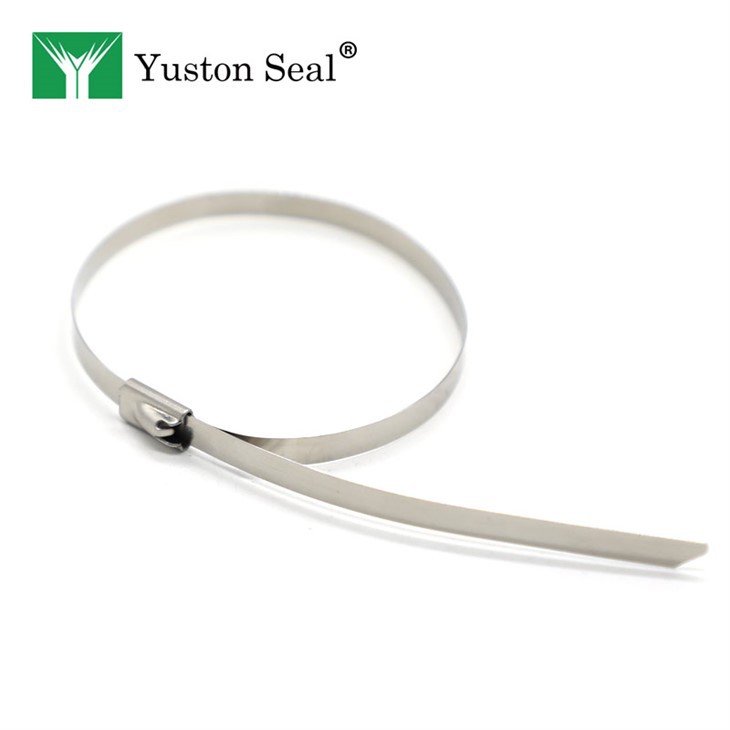
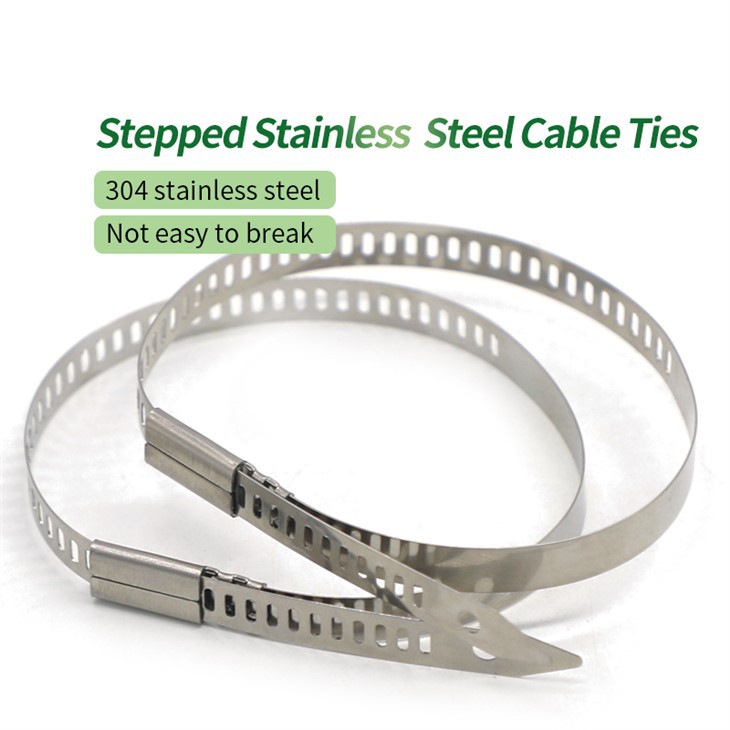
Stainless steel ties are widely recognized for their durability, strength, and resistance to corrosion, making them a popular choice in various industries. As a supplier of high - quality stainless steel ties, I often encounter questions from customers about the breaking point of these essential fastening tools. Understanding the breaking point is crucial for ensuring that the ties are used within their safe working limits, which in turn guarantees the reliability and safety of the applications they are used in.
Factors Affecting the Breaking Point
Material Composition
The quality of the stainless steel used in the ties significantly impacts their breaking point. Stainless steel is an alloy composed mainly of iron, chromium, and nickel, with other elements added to enhance specific properties. For example, the addition of molybdenum can improve corrosion resistance, while nitrogen can increase strength. The grade of stainless steel, such as 304 or 316, also plays a role. Grade 316 stainless steel, which contains more molybdenum, is more resistant to corrosion in harsh environments but may have slightly different mechanical properties compared to grade 304. Higher - grade stainless steels generally have better overall performance and can withstand higher loads before reaching their breaking point.
Tie Dimensions
The thickness, width, and length of the stainless steel tie are important factors. Thicker and wider ties typically have a higher breaking point because they have more material to distribute the load. A thicker tie can resist bending and shearing forces better than a thinner one. The length of the tie also matters. Longer ties may be more prone to bending and may have a lower effective breaking point compared to shorter ties, especially when subjected to tensile forces.
Manufacturing Process
The way the stainless steel ties are manufactured can affect their breaking point. Precision manufacturing processes ensure uniform material distribution and proper heat treatment, which can enhance the tie's strength. For instance, cold - formed ties may have different mechanical properties compared to hot - formed ones. Cold - forming can increase the hardness of the stainless steel, which may lead to a higher breaking point, but it also makes the tie more brittle. On the other hand, hot - forming can result in a more ductile tie, which can deform more before breaking.
Testing the Breaking Point
To determine the breaking point of stainless steel ties, various testing methods are employed. Tensile testing is one of the most common methods. In a tensile test, a sample of the tie is placed in a testing machine, and a gradually increasing tensile force is applied until the tie breaks. The maximum force applied at the moment of breakage is recorded as the breaking point. This test provides valuable information about the tie's ability to withstand pulling forces, which is crucial in applications where the tie is used to secure objects under tension.
Another testing method is the shear test. In a shear test, a force is applied perpendicular to the length of the tie to simulate the forces that the tie may experience in real - world applications, such as when it is used to hold objects together and prevent them from sliding past each other. The shear strength of the tie is determined by the maximum force it can withstand before shearing.
Real - World Applications and Breaking Point Considerations
Electrical Installations
In electrical installations, stainless steel ties are used to secure cables and wires. The breaking point of the ties is important to ensure that the cables remain securely fastened, especially in environments where there may be vibrations or movement. For example, in industrial settings, electrical cables may be subject to constant vibrations from machinery. A tie with a low breaking point may fail under these conditions, leading to loose cables, which can pose a safety hazard. When choosing stainless steel ties for electrical installations, it is essential to consider the weight and number of cables to be secured and select ties with an appropriate breaking point. You can find a variety of suitable ties at Metal Cable Ties.
Marine Applications
In the marine industry, stainless steel ties are used in various applications, such as securing equipment on boats and ships. The marine environment is harsh, with exposure to saltwater, which can cause corrosion. Therefore, high - grade stainless steel ties, such as those made from 316 stainless steel, are commonly used. The breaking point of these ties is crucial because they need to withstand the forces exerted by waves, wind, and the movement of the vessel. A tie that fails due to insufficient breaking strength can lead to equipment damage or even endanger the safety of the crew. For marine - grade stainless steel cable wire ties, you can visit Stainless Steel Cable Wire Ties.
Automotive Industry
In the automotive industry, stainless steel ties are used to secure various components, such as hoses, wires, and pipes. The breaking point of the ties is important to ensure that these components remain in place during the operation of the vehicle. Vibration, temperature changes, and mechanical stress are common factors in automotive applications. A tie that breaks due to insufficient strength can cause components to come loose, which can lead to mechanical failures or safety issues. Stainless Steel Locking Wire Ties are often used in automotive applications for their reliable locking mechanism and appropriate breaking strength.
Ensuring Safe Use of Stainless Steel Ties
As a supplier, I always recommend that customers consider the breaking point of stainless steel ties when selecting the right product for their application. It is important to choose ties with a breaking point that exceeds the expected load in the application. Additionally, proper installation of the ties is crucial. Incorrect installation, such as over - tightening or under - tightening, can affect the tie's performance and reduce its effective breaking point.
Regular inspection of the ties is also necessary, especially in applications where the ties are exposed to harsh conditions or high - stress environments. Any signs of damage, such as corrosion, cracks, or deformation, should be addressed immediately. If a tie shows signs of damage, it should be replaced to ensure the continued safety and reliability of the application.
Conclusion
The breaking point of stainless steel ties is a critical factor that determines their suitability for various applications. By understanding the factors that affect the breaking point, such as material composition, tie dimensions, and manufacturing processes, customers can make informed decisions when choosing the right ties for their needs. As a supplier, I am committed to providing high - quality stainless steel ties that meet or exceed industry standards and have reliable breaking points.
If you are in the market for stainless steel ties and need more information about their breaking points or other product details, I encourage you to contact me for a detailed discussion. Whether you are involved in electrical installations, marine applications, automotive industries, or any other field that requires reliable fastening solutions, I can help you select the most appropriate stainless steel ties for your specific requirements. Let's start a conversation about your procurement needs and find the best solutions together.
References
- ASM Handbook Committee. (2004). ASM Handbook Volume 1: Properties and Selection: Irons, Steels, and High - Performance Alloys. ASM International.
- ASTM International. (2019). ASTM A313/A313M - 19 Standard Specification for Stainless Steel Wire. ASTM International.
- Callister, W. D., & Rethwisch, D. G. (2017). Materials Science and Engineering: An Introduction. Wiley.