

Are metal cable ties rust-proof? This is a question that many customers often ask me as a supplier of Metal Cable Ties. In the world of cable management, metal cable ties play a crucial role, especially in harsh environments where durability and reliability are of utmost importance. To answer this question comprehensively, we need to delve into the nature of metal cable ties, the factors that cause rust, and the measures taken to prevent it.
Understanding Metal Cable Ties
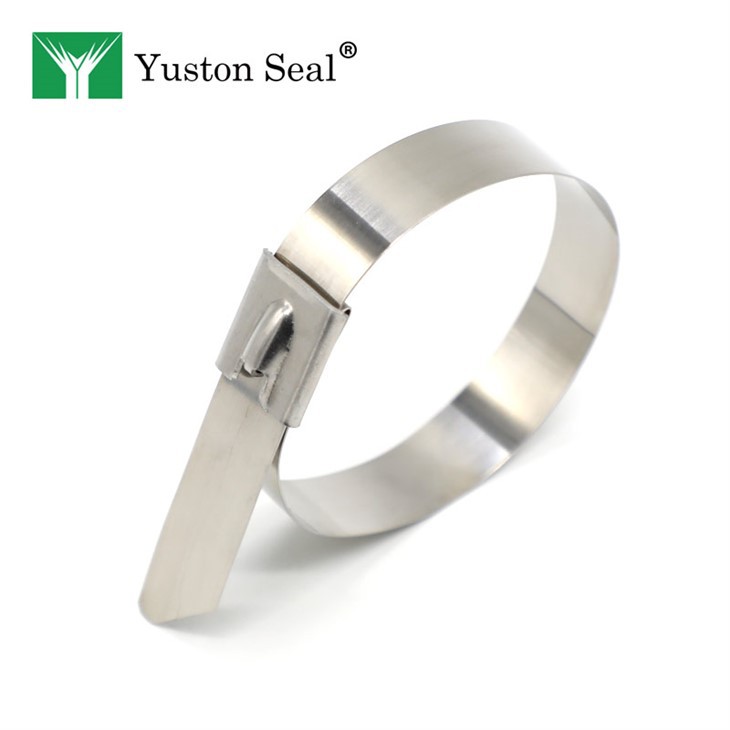
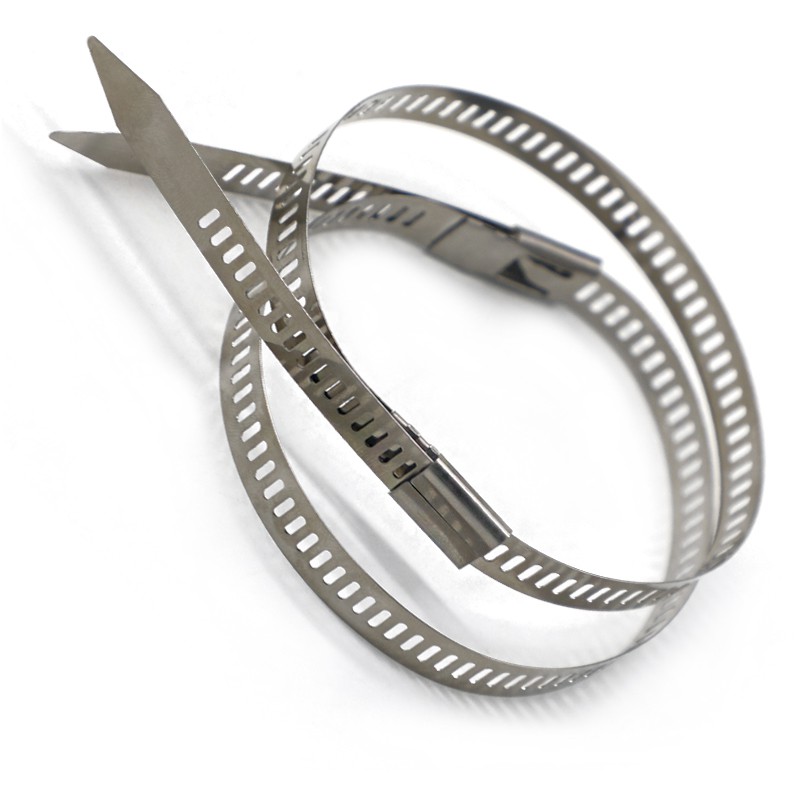
Metal cable ties are typically made from materials such as stainless steel. Stainless steel is a popular choice due to its strength, resistance to high temperatures, and corrosion resistance. Stainless Steel Cable Ties and Stainless Steel Cable Wire Ties are common types that are widely used in various industries, including construction, automotive, and aerospace.
The construction of metal cable ties involves a process that ensures their structural integrity. They are designed to withstand significant tension and are often used to secure heavy cables, pipes, or other objects. The unique properties of metal make them suitable for applications where plastic cable ties may not be sufficient, such as in high-temperature environments or areas exposed to chemicals.
What Causes Rust?
Rust is essentially the oxidation of iron or steel. When metal is exposed to oxygen and moisture, a chemical reaction occurs, resulting in the formation of iron oxide, which we commonly refer to as rust. This process can be accelerated by factors such as high humidity, saltwater, and the presence of certain chemicals.
In the case of metal cable ties, the risk of rust depends on the quality of the metal used and the environment in which they are installed. For example, in coastal areas where the air contains a high concentration of salt, the likelihood of rust formation is significantly higher. Similarly, in industrial settings where chemicals are present, the metal may be more prone to corrosion.
Rust Resistance of Metal Cable Ties
Stainless steel cable ties are known for their excellent rust resistance. The key to their resistance lies in the alloy composition of stainless steel. Stainless steel contains chromium, which forms a thin, protective layer on the surface of the metal when exposed to oxygen. This layer, known as the passive film, acts as a barrier, preventing further oxidation and protecting the underlying metal from rust.
However, it's important to note that not all stainless steel cable ties are created equal. The level of rust resistance can vary depending on the grade of stainless steel used. For example, 304 stainless steel is a common grade that offers good corrosion resistance in most environments. However, in more aggressive environments, such as those with high levels of chlorides or acids, a higher grade of stainless steel, such as 316, may be required.
Factors Affecting Rust Resistance
- Grade of Stainless Steel: As mentioned earlier, the grade of stainless steel plays a significant role in determining the rust resistance of metal cable ties. Higher grades of stainless steel contain more chromium and other alloying elements, which enhance their corrosion resistance.
- Surface Finish: The surface finish of the cable tie can also affect its rust resistance. A smooth, polished surface is less likely to trap moisture and contaminants, reducing the risk of rust formation. On the other hand, a rough or scratched surface can provide a site for rust to start.
- Environmental Conditions: The environment in which the cable ties are installed is a crucial factor. Harsh environments, such as those with high humidity, saltwater, or chemicals, can increase the risk of rust. Regular exposure to extreme temperatures can also affect the integrity of the passive film, making the metal more susceptible to corrosion.
Preventive Measures
- Proper Selection: When choosing metal cable ties, it's essential to select the appropriate grade of stainless steel based on the intended application and environment. For example, in coastal areas or industrial settings, 316 stainless steel cable ties are recommended.
- Surface Treatment: Some metal cable ties may undergo additional surface treatments to enhance their rust resistance. For example, they may be coated with a protective layer, such as a polymer coating, to provide an extra barrier against moisture and chemicals.
- Regular Inspection and Maintenance: Regular inspection of the cable ties is crucial to detect any signs of rust early. If rust is detected, it should be removed immediately to prevent further corrosion. This can be done using a wire brush or a rust remover.
Applications of Rust-Proof Metal Cable Ties
The rust-proof properties of metal cable ties make them suitable for a wide range of applications. In the construction industry, they are used to secure electrical cables, plumbing pipes, and HVAC systems. Their durability and rust resistance ensure that they can withstand the rigors of the construction site and provide long-term reliability.
In the automotive industry, metal cable ties are used to secure wiring harnesses, hoses, and other components. The high temperatures and vibrations in the engine compartment require cable ties that can withstand these conditions without rusting.
In the aerospace industry, where safety and reliability are of the utmost importance, metal cable ties are used to secure critical cables and components. Their rust resistance ensures that they can function effectively in the harsh conditions of flight, including exposure to high altitudes and extreme temperatures.
Conclusion
In conclusion, metal cable ties, especially those made from high-quality stainless steel, can be highly rust-proof. However, their rust resistance depends on various factors, including the grade of stainless steel, surface finish, and environmental conditions. By understanding these factors and taking appropriate preventive measures, we can ensure that metal cable ties maintain their integrity and functionality over time.
If you are in need of high-quality Metal Cable Ties, Stainless Steel Cable Ties, or Stainless Steel Cable Wire Ties, please feel free to contact us. We are committed to providing our customers with the best products and services. Whether you have a small project or a large-scale industrial application, we can offer you the right solution. Let's discuss your requirements and find the perfect cable ties for your needs.
References
- ASM Handbook Committee. (2004). ASM Handbook, Volume 13A: Corrosion: Fundamentals, Testing, and Protection. ASM International.
- Schmitt, R. J. (2006). Stainless Steel: A Guide to Selection and Application. McGraw-Hill Professional.
- Uhlig, H. H., & Revie, R. W. (1985). Corrosion and Corrosion Control: An Introduction to Corrosion Science and Engineering. Wiley.