

When it comes to animal identification, ear tags play a crucial role. As a seasoned ear tag supplier, I've had the privilege of witnessing the diverse needs and applications of these small yet significant tools. In this blog, I'll delve into the topic of the size of a typical ear tag, exploring the factors that influence it and the various sizes available in the market.
Understanding the Purpose of Ear Tags
Before we discuss the size, it's important to understand why ear tags are used. Ear tags are primarily used for animal identification, which is essential for a variety of reasons. In the livestock industry, for example, ear tags help farmers keep track of individual animals, monitor their health and productivity, and comply with regulatory requirements. They can also be used for research purposes, such as tracking the movement and behavior of wild animals.
Factors Influencing Ear Tag Size
The size of a typical ear tag can vary depending on several factors, including the type of animal, the purpose of the tag, and the regulatory requirements in the area. Let's take a closer look at each of these factors:
Type of Animal
Different animals have different ear sizes and shapes, which can influence the size of the ear tag. For example, ear tags for cows are typically larger than those for sheep or goats, as cows have larger ears. Similarly, ear tags for horses are often larger and more durable than those for smaller animals, as horses are more active and may be more likely to damage the tag.
Purpose of the Tag
The purpose of the ear tag can also affect its size. For example, if the tag is being used for identification only, it may be smaller and simpler in design. However, if the tag is being used to store additional information, such as the animal's medical history or vaccination records, it may need to be larger to accommodate the necessary data.
Regulatory Requirements
In some areas, there are specific regulatory requirements regarding the size and design of ear tags. For example, in the United States, the Animal and Plant Health Inspection Service (APHIS) has established standards for ear tags used in the livestock industry. These standards specify the size, color, and format of the tags, as well as the information that must be included on them.
Common Sizes of Ear Tags
Based on the factors mentioned above, there are several common sizes of ear tags available in the market. Here are some of the most popular sizes and their typical applications:
Small Ear Tags
Small ear tags are typically used for small animals, such as sheep, goats, and pigs. These tags are usually around 1-2 inches in length and 0.5-1 inch in width. They are lightweight and easy to apply, making them ideal for use on young animals or animals with sensitive ears.
Medium Ear Tags
Medium ear tags are commonly used for cows and other large livestock. These tags are usually around 2-3 inches in length and 1-2 inches in width. They are larger and more durable than small ear tags, and can withstand the rigors of daily use in a farm environment.
Large Ear Tags
Large ear tags are often used for horses and other large animals. These tags are usually around 3-4 inches in length and 2-3 inches in width. They are the largest and most durable type of ear tag, and are designed to withstand the wear and tear of an active lifestyle.
Choosing the Right Size of Ear Tag
When choosing the right size of ear tag for your animals, it's important to consider the factors mentioned above. Here are some tips to help you make the right decision:
Consider the Type of Animal
As mentioned earlier, different animals have different ear sizes and shapes, so it's important to choose a tag that is appropriate for the species. For example, if you have a small sheep or goat, a small ear tag would be the best choice. On the other hand, if you have a large cow or horse, a medium or large ear tag would be more suitable.
Think About the Purpose of the Tag
If the tag is being used for identification only, a smaller tag may be sufficient. However, if you need to store additional information on the tag, such as the animal's medical history or vaccination records, you may need to choose a larger tag.
Check the Regulatory Requirements
Before purchasing ear tags, it's important to check the regulatory requirements in your area. Make sure the tags you choose meet the size, color, and format requirements specified by the relevant authorities.

Our Ear Tag Products
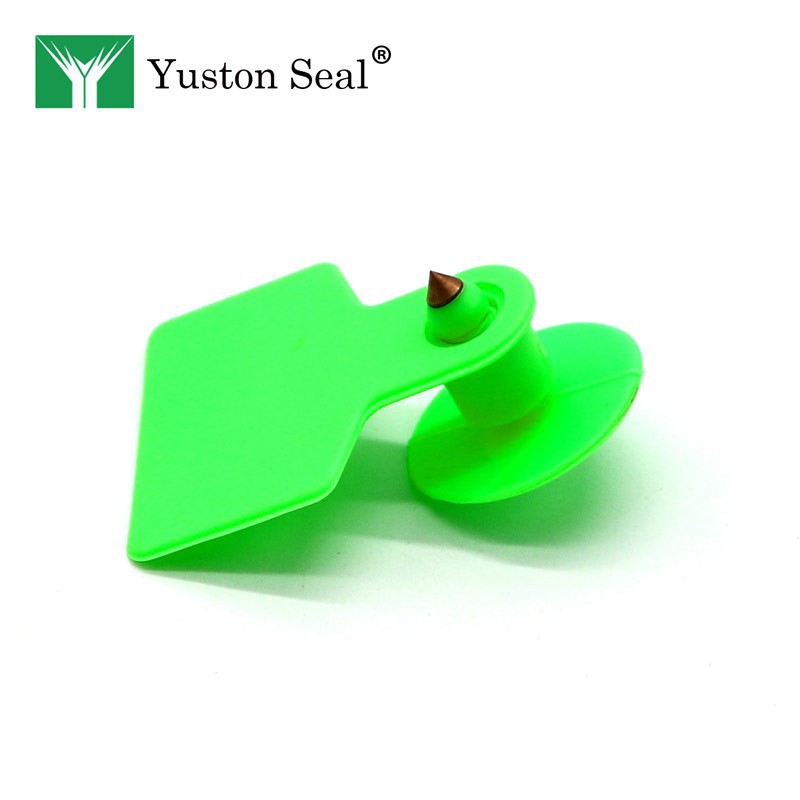
As an ear tag supplier, we offer a wide range of ear tags in different sizes and styles to meet the needs of our customers. Our Ear Tag For Cows are specifically designed for use on cows, and are available in a variety of sizes and colors. They are made from high-quality materials and are designed to be durable and long-lasting.
We also offer Cow Number Tags, which are ideal for use on cows and other livestock. These tags are pre-printed with a unique number, making it easy to identify individual animals. They are available in a variety of sizes and colors, and can be customized with your farm's logo or other information.
In addition to our cow ear tags, we also offer a range of Ear Tag products for other animals, including sheep, goats, pigs, and horses. Our ear tags are designed to be easy to apply and remove, and are available in a variety of sizes and styles to meet your specific needs.
Contact Us for More Information
If you're interested in learning more about our ear tag products or have any questions about choosing the right size of ear tag for your animals, please don't hesitate to contact us. Our team of experts is always available to help you find the best solution for your needs. Whether you're a small farmer or a large livestock producer, we have the products and expertise to meet your requirements.
References
- Animal and Plant Health Inspection Service (APHIS). (n.d.). Livestock Identification. Retrieved from [APHIS Website]
- National Institute of Animal Agriculture. (n.d.). Animal Identification. Retrieved from [NIAA Website]