

Are there any regulations regarding animal ear tags?
As a supplier of animal ear tags, I've been frequently asked about the regulations surrounding these essential tools for livestock management. Animal ear tags play a crucial role in identification, traceability, and disease control in the livestock industry. Understanding the regulations is not only important for compliance but also for ensuring the well - being of the animals and the integrity of the food supply chain.
Global Overview of Animal Ear Tag Regulations
Different countries and regions have their own sets of regulations regarding animal ear tags. In general, these regulations aim to achieve several key objectives: identification of individual animals, traceability of animals throughout their life cycle, and prevention and control of animal diseases.
The European Union (EU) has some of the most comprehensive regulations in this area. The EU's animal identification and traceability system requires that all cattle, sheep, and goats be tagged with unique identification numbers. These numbers are recorded in a central database, which allows for easy tracking of animals from birth to slaughter. The ear tags used in the EU must meet specific technical standards, including durability, readability, and the ability to resist tampering. For example, the tags must be made of materials that can withstand the harsh environmental conditions that livestock are exposed to, such as extreme temperatures and moisture.
In the United States, the Animal and Plant Health Inspection Service (APHIS) is responsible for regulating animal identification. While there is no federal mandate for all livestock to be tagged, many states have their own regulations, especially for animals involved in interstate commerce. The National Animal Identification System (NAIS) was an attempt to create a national framework for animal identification, but it faced significant opposition from some segments of the livestock industry. However, individual states have implemented their own programs to ensure the traceability of animals, especially in the case of disease outbreaks.
Australia also has strict regulations for animal identification. The National Livestock Identification System (NLIS) requires that all cattle, sheep, and goats be tagged with unique identification numbers. The tags are used to track the movement of animals from property to property, which is essential for disease control and market access. The NLIS tags are designed to be durable and readable, and they must be registered with the relevant authorities.
Types of Regulations
Identification Requirements
One of the primary regulations regarding animal ear tags is the identification requirement. Each animal must be assigned a unique identification number, which is printed or encoded on the ear tag. This number is used to track the animal's movement, health history, and ownership. In some cases, the identification number may also include information about the animal's breed, birth date, and gender.
Technical Standards
Ear tags must meet certain technical standards to ensure their effectiveness. These standards include the size, shape, and material of the tag. For example, the tag must be large enough to be easily readable, but not so large that it causes discomfort to the animal. The material of the tag must be durable and non - toxic, and it should not cause any allergic reactions in the animal.
Registration and Record - Keeping
Many regulations require that the ear tags be registered with the relevant authorities. This registration process involves providing information about the animal, the owner, and the tag itself. The authorities then maintain a database of all tagged animals, which can be used for traceability purposes. In addition to registration, owners are also required to keep records of the animal's movement, health treatments, and other relevant information.
Impact on the Animal Ear Tag Industry
These regulations have a significant impact on the animal ear tag industry. As a supplier, we need to ensure that our products meet the technical standards set by different countries and regions. This requires us to invest in research and development to improve the quality and durability of our ear tags.
We also need to stay up - to - date with the changing regulations. For example, if a new standard is introduced for the size or material of the ear tags, we need to adjust our production processes accordingly. This can be a challenge, especially when dealing with multiple markets with different regulations.
However, these regulations also present opportunities for our industry. The increasing focus on animal traceability and disease control means that the demand for high - quality ear tags is growing. By providing products that meet the regulatory requirements, we can build trust with our customers and expand our market share.
Our Products and Compliance
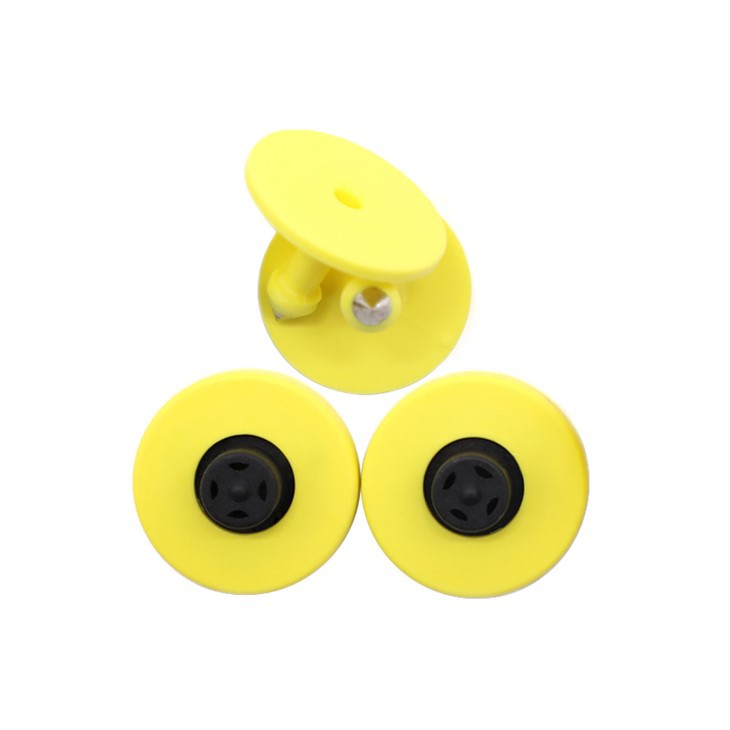
At our company, we are committed to providing ear tags that meet the highest regulatory standards. Our Livestock Identification Tags are designed to be durable, readable, and compliant with the regulations of major markets. We use high - quality materials that are tested for their strength and resistance to environmental factors.
Our Ear Tags for Livestock are available in a variety of sizes and styles to suit different types of animals and management systems. We offer both traditional plastic tags and more advanced electronic tags, which can be read using specialized equipment. These electronic tags can store additional information about the animal, such as its health status and vaccination history.
Our Ear Tag products are also designed to be easy to apply. We provide clear instructions and training materials to ensure that our customers can tag their animals safely and correctly.

Conclusion
In conclusion, there are indeed many regulations regarding animal ear tags. These regulations are essential for ensuring the traceability and health of livestock, as well as the safety of the food supply. As a supplier, we play a crucial role in providing products that meet these regulatory requirements.
If you are in the livestock industry and are looking for high - quality, compliant animal ear tags, we would love to hear from you. Whether you are a small - scale farmer or a large - scale livestock producer, we can provide you with the right solutions for your animal identification needs. Contact us to start a discussion about your requirements and how we can help you meet the regulatory challenges in your region.
References
- European Commission. (20XX). Animal Identification and Traceability Regulations in the EU.
- Animal and Plant Health Inspection Service (APHIS). (20XX). United States Animal Identification Regulations.
- Australian Department of Agriculture, Water and the Environment. (20XX). National Livestock Identification System (NLIS) Regulations.