

Livestock ear tags are essential tools in the management of various animals, providing a means to identify and track individuals within a herd or flock. As a supplier of livestock ear tags, I often receive inquiries about the suitability of these tags for different species. One such question that frequently arises is whether livestock ear tags can be used for bison. In this blog post, I will explore this topic in detail, considering the unique characteristics of bison and the functionality of livestock ear tags.
Understanding Bison
Bison, also known as buffalo in North America, are large, powerful animals that are native to the continent. They are known for their massive size, with adult males weighing up to 2,000 pounds and standing over 6 feet tall at the shoulder. Bison have a thick, shaggy coat that provides insulation in cold weather, and their heads are large and muscular, with curved horns. These physical characteristics pose unique challenges when it comes to tagging bison.
Types of Livestock Ear Tags
Before discussing the suitability of livestock ear tags for bison, it is important to understand the different types of tags available. There are several types of livestock ear tags, including visual tags, electronic tags, and combination tags.
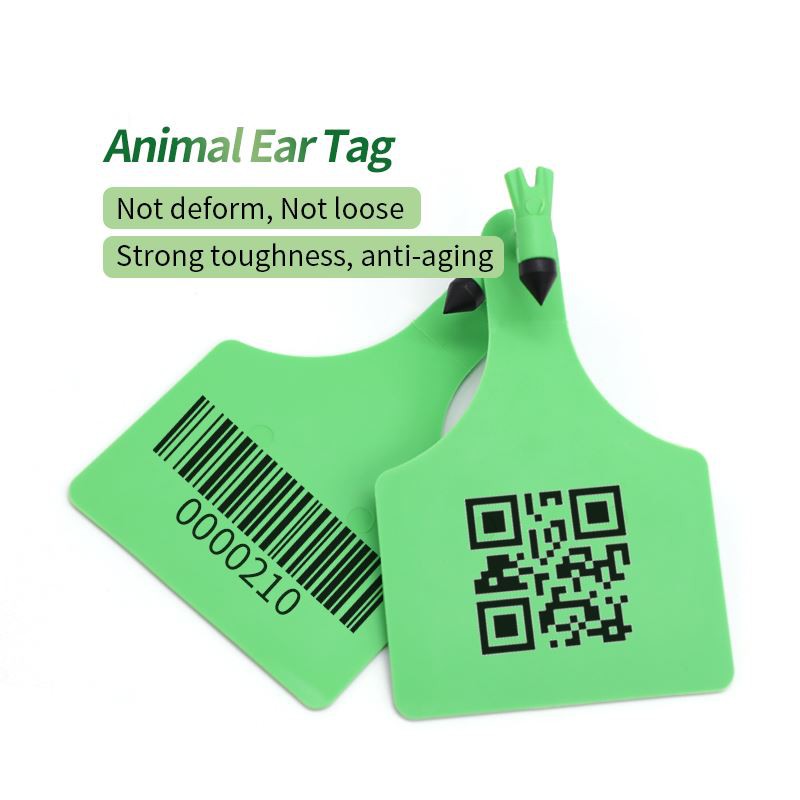
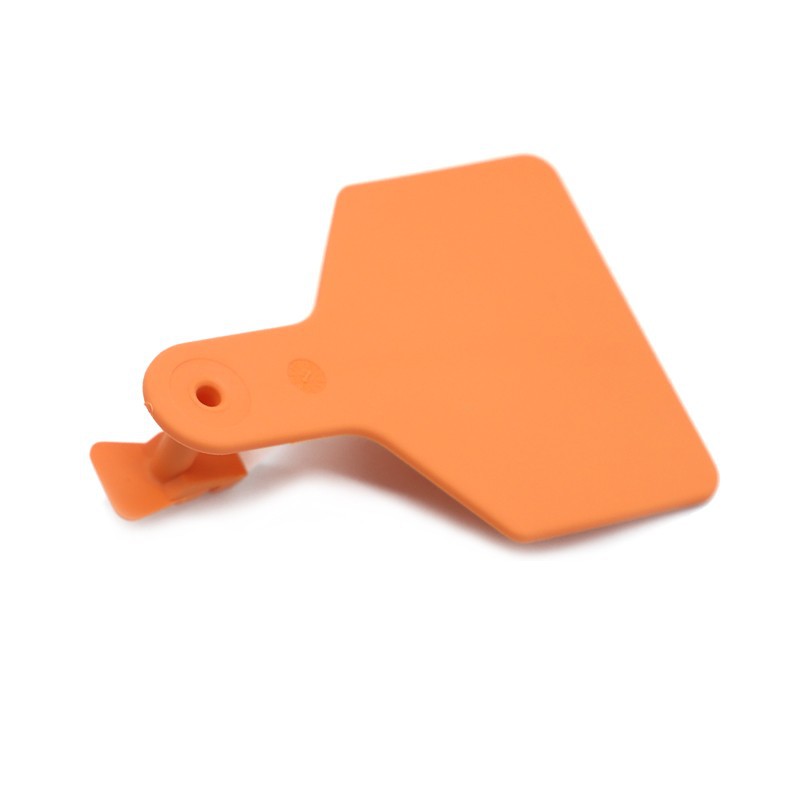
Visual tags are the most common type of ear tag and are typically made of plastic or metal. They are marked with a unique identification number or code that can be easily read from a distance. Visual tags are relatively inexpensive and easy to apply, making them a popular choice for many farmers and ranchers.
Electronic tags, also known as RFID (radio frequency identification) tags, use radio waves to transmit data about the animal. These tags can be read using a handheld scanner or a fixed reader, and they can provide information such as the animal's identification number, birth date, and health history. Electronic tags are more expensive than visual tags but offer greater accuracy and efficiency in animal management.
Combination tags combine the features of visual and electronic tags, providing both a visible identification number and the ability to transmit data electronically. These tags are often used in large-scale livestock operations where accurate record-keeping is essential.
Suitability of Livestock Ear Tags for Bison
When considering whether livestock ear tags can be used for bison, several factors need to be taken into account. These include the size and strength of the bison, the type of tag being used, and the environment in which the bison are kept.
Size and Strength of Bison
Bison are large and powerful animals, and their size and strength can make it challenging to apply and maintain ear tags. The thick, tough skin of bison can make it difficult to insert the tag, and the animal's movements can cause the tag to become loose or fall out. Additionally, bison are known to rub their heads against trees and other objects, which can further damage or dislodge the tag.
Type of Tag Being Used
The type of tag being used is also an important consideration. Visual tags are generally less durable than electronic tags and may be more likely to become damaged or lost. Electronic tags, on the other hand, are more secure and less likely to be dislodged, but they are also more expensive. Combination tags offer the best of both worlds, providing a visible identification number and the ability to transmit data electronically.
Environment in which the Bison are Kept
The environment in which the bison are kept can also affect the suitability of ear tags. Bison that are kept in large, open pastures may be more likely to rub their heads against trees and other objects, increasing the risk of tag damage or loss. Bison that are kept in smaller, more controlled environments may be less likely to experience these problems.
Benefits of Using Livestock Ear Tags for Bison
Despite the challenges associated with using livestock ear tags for bison, there are several benefits to doing so. These include:
Identification and Tracking
Ear tags provide a reliable means of identifying and tracking individual bison within a herd. This can be useful for a variety of purposes, such as managing breeding programs, monitoring health and disease, and tracking the movement of animals.
Record-Keeping
Ear tags can also be used to keep accurate records of individual bison, including their birth date, weight, and health history. This information can be used to make informed decisions about animal management and to ensure the health and well-being of the herd.
Compliance with Regulations
In some areas, the use of ear tags is required by law for the identification and tracking of livestock. By using ear tags on bison, farmers and ranchers can ensure compliance with these regulations and avoid potential fines or penalties.
Challenges and Considerations
While there are several benefits to using livestock ear tags for bison, there are also some challenges and considerations that need to be taken into account. These include:
Tag Placement
Proper tag placement is essential to ensure the tag remains secure and does not cause discomfort or injury to the bison. Tags should be placed in the middle of the ear, away from the edge and the base of the ear. It is also important to ensure that the tag is not too tight or too loose, as this can cause irritation or damage to the ear.
Tag Maintenance
Regular tag maintenance is necessary to ensure the tag remains in good condition and continues to function properly. This may include checking the tag for damage or wear, replacing the tag if necessary, and cleaning the tag to prevent the buildup of dirt and debris.
Animal Welfare
The welfare of the bison should always be a top priority when using ear tags. Tags should be applied in a manner that minimizes pain and discomfort to the animal, and any signs of irritation or injury should be addressed immediately.
Conclusion
In conclusion, livestock ear tags can be used for bison, but there are several factors that need to be taken into account to ensure their effectiveness and safety. The size and strength of the bison, the type of tag being used, and the environment in which the bison are kept all play a role in determining the suitability of ear tags. While there are some challenges associated with using ear tags on bison, the benefits of identification, tracking, and record-keeping make them a valuable tool for farmers and ranchers.
If you are interested in using livestock ear tags for your bison or have any questions about our products, please [contact us for procurement and further discussion]. We are a leading supplier of high-quality livestock ear tags, including Ear Tag in Cattle, Ear Tag, and Sheep And Goat Ear Tags. Our team of experts is available to provide you with the information and support you need to make the right choice for your operation.
References
- American Bison Society. (n.d.). Bison facts. Retrieved from [Website URL]
- National Bison Association. (n.d.). Bison management and production. Retrieved from [Website URL]
- USDA Animal and Plant Health Inspection Service. (n.d.). Livestock identification requirements. Retrieved from [Website URL]