

Movement tracking of livestock is a crucial aspect of modern animal husbandry, enabling farmers to monitor the health, behavior, and location of their animals effectively. One of the widely used methods for this purpose is the use of ear tags. As a supplier of Ear Tags For Livestock, I have witnessed the growing demand for these devices and the importance of understanding their accuracy in movement tracking.
How Ear Tags Work for Movement Tracking
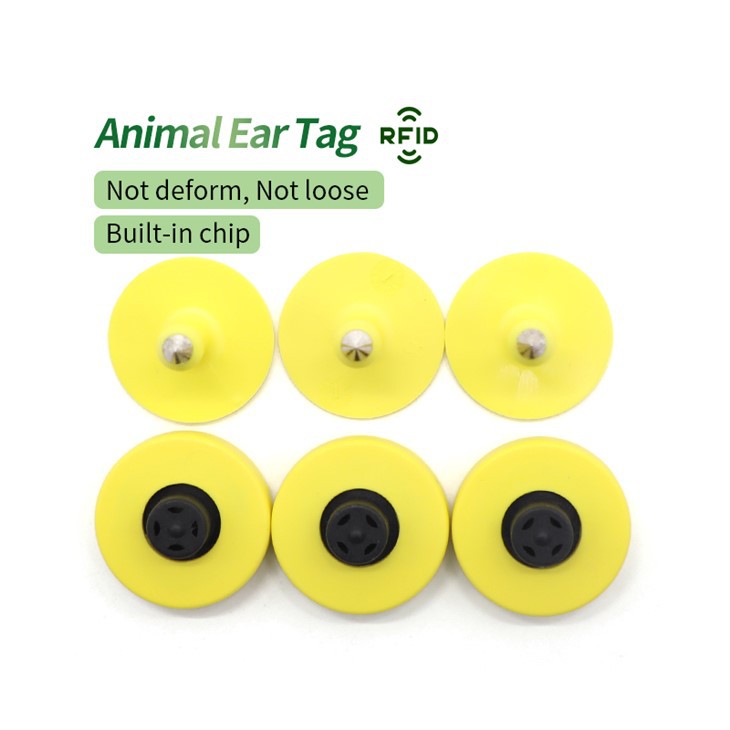
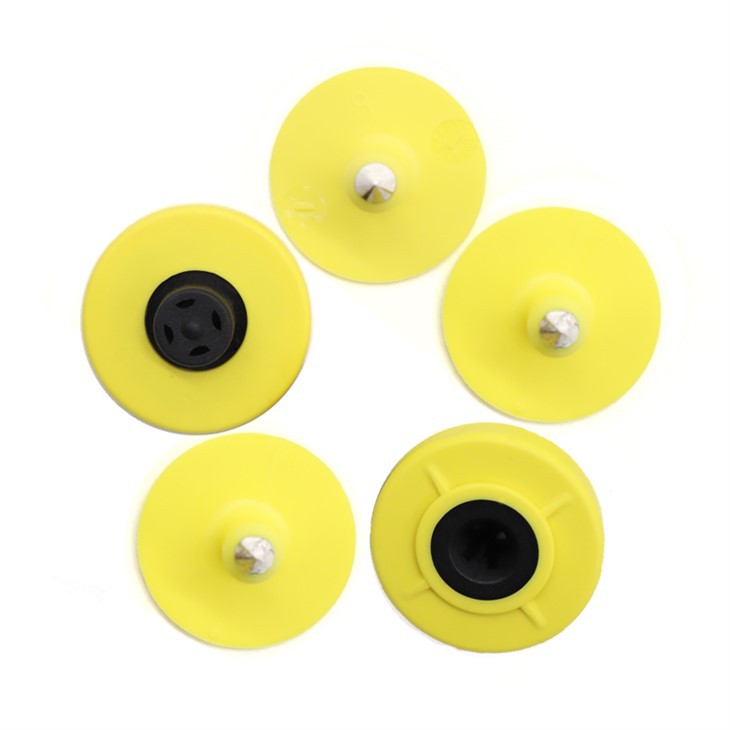
Ear tags for livestock movement tracking typically incorporate various technologies, such as radio - frequency identification (RFID), global positioning system (GPS), or inertial measurement units (IMUs). RFID ear tags are commonly used for identification purposes. They contain a unique identifier that can be read by a scanner, allowing farmers to quickly identify individual animals. When it comes to movement tracking, RFID systems can be set up in specific areas, such as feeding stations or gateways. As an animal passes through these areas, the RFID tag is detected, and the time and location of the detection are recorded. This provides a basic level of movement data, indicating when an animal has visited certain key points in the farm.
GPS - enabled ear tags, on the other hand, offer more comprehensive movement tracking. These tags use satellite signals to determine the exact location of the animal at any given time. They can record the animal's path, speed, and even altitude in some cases. This data can be transmitted wirelessly to a central server, where farmers can access it through a web - based or mobile application. GPS ear tags are particularly useful for large - scale farms or for tracking animals that roam over a wide area.
IMU - based ear tags are designed to measure the animal's movement in terms of acceleration, rotation, and orientation. By analyzing the data from these sensors, it is possible to detect behaviors such as walking, running, resting, and grazing. This type of ear tag can provide valuable insights into the animal's daily activities and well - being.
Factors Affecting the Accuracy of Movement Tracking with Ear Tags
Environmental Conditions
The accuracy of ear tags can be significantly affected by environmental factors. For GPS ear tags, factors such as tall buildings, dense forests, or mountains can block the satellite signals, leading to inaccurate location data. In areas with poor satellite coverage, the tags may have difficulty obtaining a clear fix on the animal's position, resulting in errors in the recorded coordinates.
RFID systems can also be affected by environmental interference. Metal objects, for example, can disrupt the radio - frequency signals, causing false readings or missed detections. Moisture and dirt on the ear tag or the scanner can also reduce the effectiveness of the RFID system.
Tag Placement and Attachment
Proper tag placement and attachment are essential for accurate movement tracking. If an ear tag is not attached correctly, it may move or rotate on the animal's ear, which can affect the performance of the sensors. For example, in an IMU - based ear tag, incorrect placement can lead to inaccurate measurements of the animal's movement. Similarly, if a GPS ear tag is not positioned in an optimal location on the ear, it may have difficulty receiving the satellite signals.
Battery Life and Data Transmission
The battery life of the ear tag is another important factor. If the battery runs out, the tag will stop functioning, and no movement data will be recorded. Additionally, reliable data transmission is crucial for real - time or near - real - time monitoring. Poor wireless connectivity, either due to weak signals or interference, can result in data loss or delays in the transmission of the movement data.
Assessing the Accuracy of Movement Tracking
To determine the accuracy of movement tracking with ear tags, several methods can be used. One approach is to compare the data from the ear tags with ground - truth data. This can be done by manually observing the animals and recording their actual movements at the same time as the ear tags are collecting data. By comparing the two sets of data, it is possible to calculate the error rate and assess the accuracy of the ear tags.
Another method is to use multiple ear tags on the same animal or in the same area and compare the data they collect. If the data from different tags is consistent, it provides some indication of the accuracy of the movement tracking system. Statistical analysis can also be applied to the data to identify patterns and trends, which can help in evaluating the reliability of the ear tags.
Real - World Applications and Case Studies
In large - scale cattle farms, GPS - enabled Livestock Identification Tags have been used to track the movement of the animals across vast grazing areas. By analyzing the movement data, farmers can identify areas where the cattle spend most of their time, which can help in optimizing the grazing management. For example, if a particular area is over - grazed, the farmer can move the cattle to a different location.
In dairy farms, IMU - based ear tags have been used to monitor the behavior of cows. By detecting changes in the cows' movement patterns, such as reduced activity or abnormal gait, farmers can identify early signs of illness or injury. This allows for timely treatment, which can improve the overall health and productivity of the herd.
The Role of Ear Tags in Modern Livestock Management
Despite the challenges and limitations, ear tags play a vital role in modern livestock management. They provide valuable data that can help farmers make informed decisions about the care and management of their animals. By accurately tracking the movement of livestock, farmers can improve the efficiency of their operations, reduce costs, and enhance the welfare of the animals.
For example, movement tracking data can be used to optimize feeding schedules. If an animal is not moving as much as usual, it may indicate a reduced appetite, and the farmer can adjust the feeding amount accordingly. In addition, by monitoring the movement of animals, farmers can detect if an animal has strayed from the herd, which can prevent losses due to theft or getting lost.
Conclusion
The accuracy of movement tracking with ear tags for livestock is influenced by a variety of factors, including environmental conditions, tag placement, battery life, and data transmission. While there are challenges in achieving highly accurate movement tracking, advancements in technology are continuously improving the performance of ear tags.
As a supplier of Ear Tag, we are committed to providing high - quality ear tags that offer reliable movement tracking capabilities. We understand the importance of accuracy in livestock management and are constantly working on improving our products to meet the evolving needs of farmers.
If you are interested in learning more about our ear tags for livestock movement tracking or would like to discuss a potential purchase, please feel free to contact us. We are eager to assist you in finding the best solution for your livestock management needs.
References
- Blackburn, H. D., & Donkin, S. S. (2017). Precision livestock farming: A review of technological advancements and future perspectives. Journal of Dairy Science, 100(10), 7837 - 7852.
- Berckmans, D. (2017). Precision livestock farming as a tool to improve animal welfare: A review. Animal Frontiers, 7(1), 12 - 18.
- Zhang, X., & Zhang, Y. (2018). A review of wireless sensor networks for livestock monitoring. Sensors, 18(3), 804.