news
Step 1: Define Your Primary Purpose
What is the seal's main job?
Security/Tamper-Evidence: Preventing unauthorized access and showing clear evidence if tampered with (e.g., for utility meters, evidence bags, aviation).
Pilferage Prevention: Showing if a container has been opened (e.g., pharmaceutical bottles, food supplements, chemicals).
Safety/Warranty: Indicating that a panel has been removed or a device has been serviced (e.g., electrical panels, fire extinguishers, warranty seals).
Branding & Authentication: Combining security with a high-quality printed logo to prevent counterfeiting (e.g., luxury goods, branded components).
Containment/Transport: Simply keeping something closed during shipping or storage (e.g., bags of parts, temporary closures).
Step 2: Consider the Application & Environment
What are you sealing? Meter, valve, bag, bottle, door, container?
Indoor vs. Outdoor: Will it be exposed to UV light, moisture, extreme temperatures, or abrasion? (e.g., Polypropylene degrades in UV, Nylon is more resistant).
Required Lifespan: Is it for one-time shipment or permanent installation?
Step 3: Understand Material Options
Material Key Properties Best For
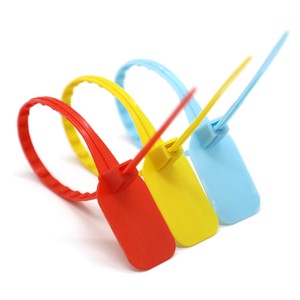
Polypropylene (PP) Economical, good general strength, flexible, colors available. Most common. Internal security, light-duty tamper evidence, bag seals.
Polyethylene (PE) Softer, more flexible than PP, good chemical resistance. Lightweight bag seals, low-temperature environments.
Nylon (PA) Very strong, durable, temperature resistant, abrasion resistant. High-security, outdoor use, harsh environments (meters, aviation, rail).
Metal (w/ plastic coating) Maximum security. Bolt seals fall into this category. High-value cargo containers, heavy-duty industrial use.
Acetal (POM) Rigid, very strong, low friction, excellent fatigue resistance. Precision applications, repeated use where a snap-fit is needed.
Step 4: Choose the Seal Type & Mechanism
Seal Type How It Works Typical Use
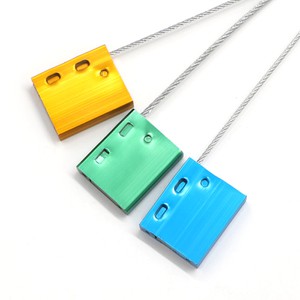
Pull-Tight / Cable Seal A cable threads through and locks into a head; tightens like a zip-tie. Versatile. Meters, valves, bags, doors - anything with loops or holes.
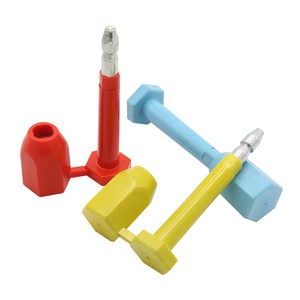
Barrel/Bolt Seal A pin (bolt) inserts into a barrel body, locking with a metal clip inside. High security. Shipping containers, truck trailers, heavy machinery.
Tab Seal / Barrier Seal A strip is inserted through a hole and folded back into itself. Pilferage prevention. Utility meters, control panels.
Adhesive Back Seal A sticker with a destructible pattern or void message. Tamper-evident labels. Electrical panels, access doors, packaging.
Heat-Seal / Induction Seal A foil laminate bonded to a container mouth with heat. Liquid containment & freshness. Food, pharmaceuticals, chemicals.
Bag Seal A single-piece clip pressed over a folded bag end. Closure & light security. Bags of food, parts, evidence.
Step 5: Evaluate Security Level Needed
Low: Simple deterrent (e.g., bag seals, basic pull-tights).
Medium: Clear tamper evidence, requires tools to remove (e.g., standard barrel seals, destructible labels).
High: Maximum resistance to cutting, picking, and manipulation. Often have sequential numbering and are made of Nylon or Metal (e.g., ISO 17712-compliant bolt seals for containers, high-security cable seals).