

Hey there! As a plastic seal supplier, I often get asked about the maximum temperature a plastic seal can withstand. It's a crucial question, especially for those in industries where plastic seals are used in various environmental conditions. So, let's dive right into it.
First off, it's important to understand that not all plastic seals are created equal. Different types of plastics have different temperature resistance capabilities. The most common plastics used in seal manufacturing include polyethylene (PE), polypropylene (PP), and polyvinyl chloride (PVC). Each of these has its own unique properties and temperature limits.
Polyethylene is a widely used plastic for seals. It's known for its flexibility, durability, and chemical resistance. Low - density polyethylene (LDPE) can typically withstand temperatures up to around 80 - 90°C (176 - 194°F). High - density polyethylene (HDPE), on the other hand, has a slightly higher temperature tolerance, usually up to about 120°C (248°F). This makes HDPE a better choice for applications where the seal might be exposed to moderately high temperatures.
Polypropylene is another popular option. It has excellent mechanical properties and is more rigid than polyethylene. Polypropylene seals can generally handle temperatures up to 100 - 120°C (212 - 248°F). However, prolonged exposure to high temperatures near its upper limit can cause the plastic to become brittle over time, reducing its sealing effectiveness.
Polyvinyl chloride is a versatile plastic that can be formulated in different ways to suit various applications. Unplasticized PVC (uPVC) can withstand temperatures up to about 60 - 70°C (140 - 158°F). Plasticized PVC, which is more flexible, has a lower temperature resistance, usually around 50 - 60°C (122 - 140°F).
Now, why does temperature matter so much for plastic seals? Well, when a plastic seal is exposed to temperatures above its maximum limit, several things can happen. The plastic may start to soften, losing its shape and integrity. This can lead to leaks, which is a big no - no in many applications, such as in food packaging or industrial pipelines. Softened plastic can also become more prone to damage from mechanical stress, like being pinched or stretched.
In addition, high temperatures can cause the plastic to degrade chemically. Oxidation can occur, which breaks down the polymer chains in the plastic. This results in a loss of strength and can even release harmful chemicals in some cases. For example, in PVC, high temperatures can cause the release of hydrochloric acid, which is corrosive and can damage surrounding materials.
On the other hand, extremely low temperatures can also be a problem. Plastics can become brittle in cold conditions, making them more likely to crack or break. This is why it's important to choose the right plastic seal for the specific temperature range of your application.
Let's talk about some real - world applications. In the transportation industry, Plastic Truck Seals are used to secure cargo containers. These seals need to withstand a wide range of temperatures, from the heat of a sunny day to the cold of a winter night. For long - haul trucks that travel through different climates, it's essential to use a plastic seal with a good temperature tolerance.
In the food and beverage industry, Plastic Seal Trucks are used to transport perishable goods. The seals need to maintain their integrity to prevent contamination. High temperatures during transportation can be a challenge, so seals made from plastics with high - temperature resistance are preferred.
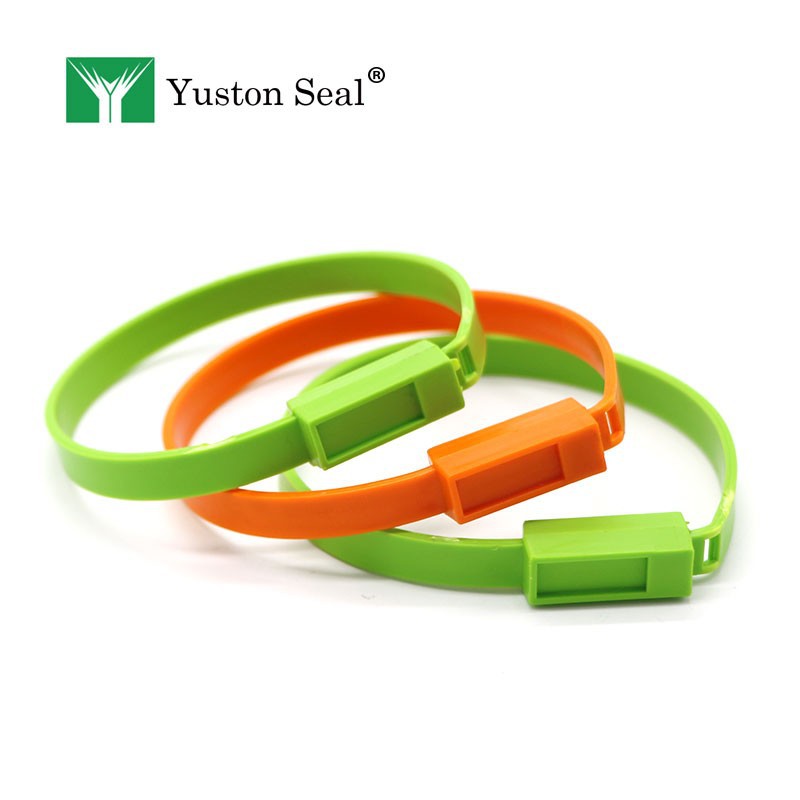
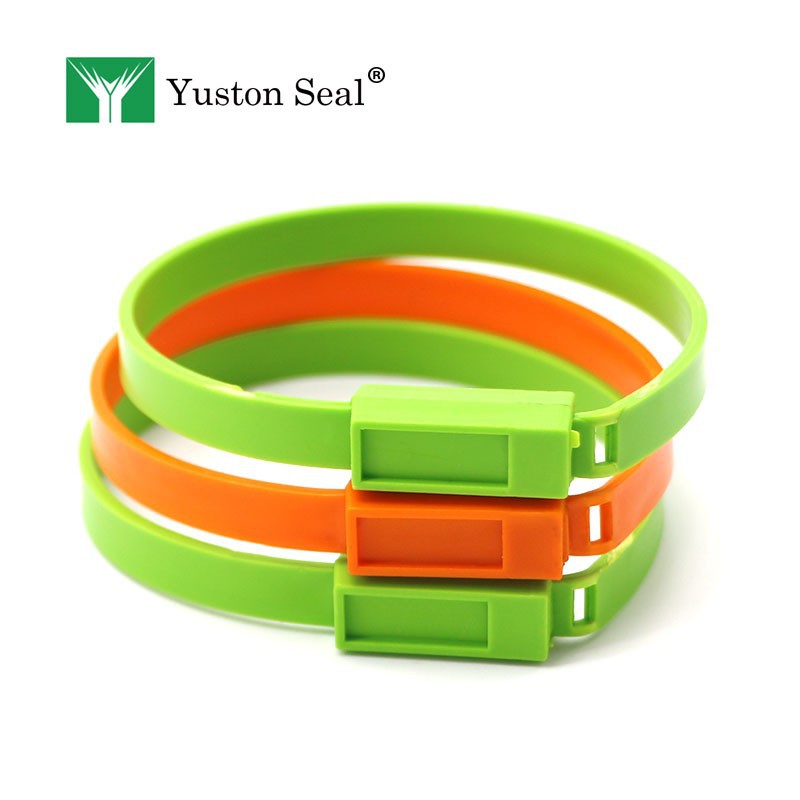
Tamper Proof Plastic Seals are also widely used in many industries, including pharmaceuticals and electronics. These seals need to be reliable, and temperature can affect their tamper - proofing capabilities. If a seal softens due to high temperatures, it may be easier to tamper with without leaving obvious signs.
As a plastic seal supplier, I always recommend that customers consider the temperature conditions of their application when choosing a plastic seal. We offer a wide range of plastic seals made from different materials to meet various temperature requirements. Whether you need a seal for a high - temperature industrial process or a low - temperature storage environment, we've got you covered.
If you're in the market for plastic seals and have questions about temperature resistance or any other aspect, don't hesitate to reach out. We're here to help you find the perfect solution for your needs. Contact us to start a procurement discussion, and let's work together to ensure your products are sealed safely and effectively.
References
- "Plastics: Properties and Applications" by Charles A. Harper
- "Handbook of Polymer Science and Technology" edited by Herman F. Mark