

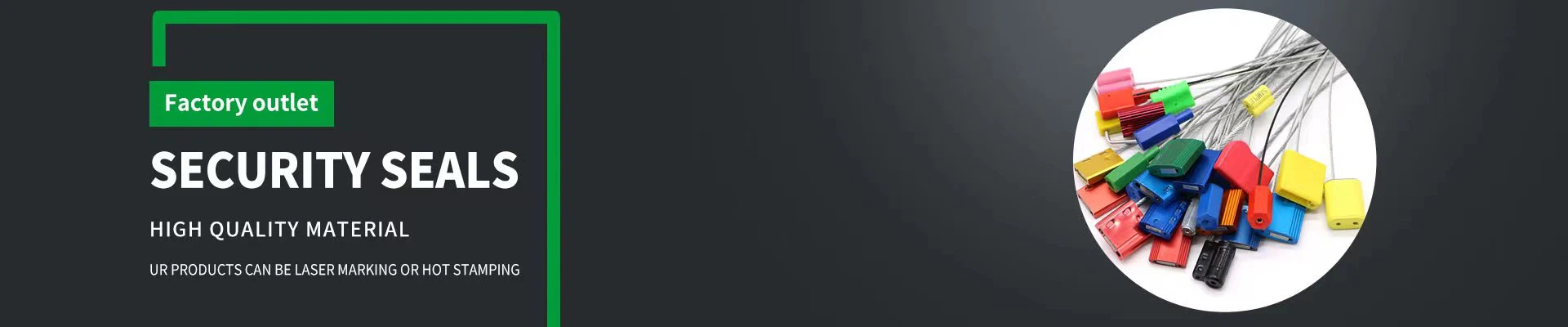
The process of using container seal locks typically involves the following steps aimed at ensuring the safety and integrity of the container during transportation:
1. Preparation stage
Choose the appropriate sealing lock: Select the appropriate container sealing lock based on the type, size, and transportation requirements of the container. Consider the material of the sealed lock (such as plastic, metal, or high-strength alloy), safety performance (such as anti shear, anti saw, anti pry ability), and whether special functions (such as electronic recognition, fingerprint recognition, etc.) are required.
Check the container: Before locking, check the integrity of the container to ensure there are no damages or leaks, and clean up any debris at the container doors or openings to facilitate the smooth installation of the sealing lock.
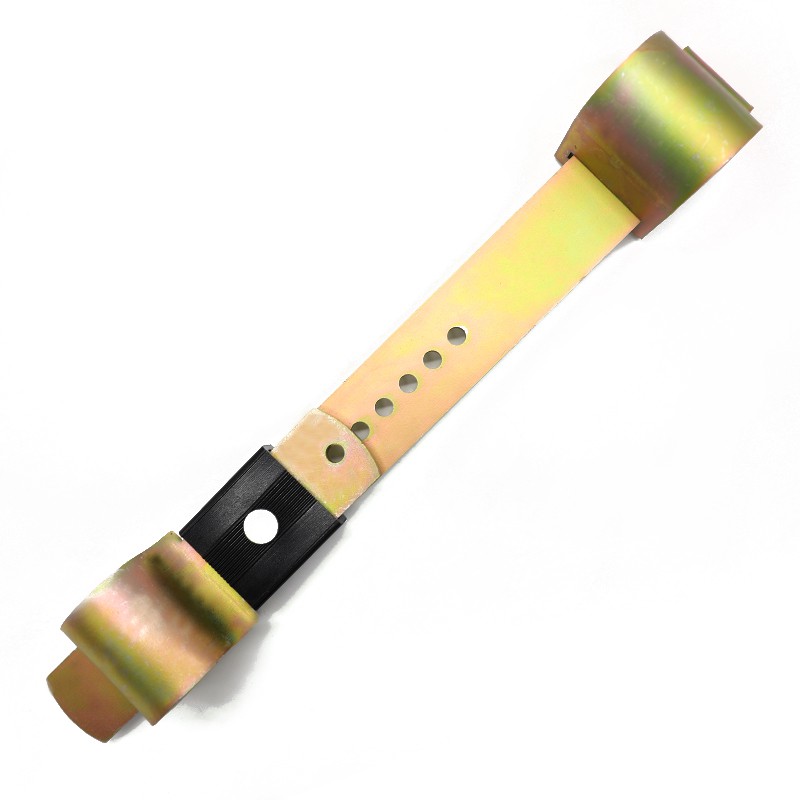
2. Install the sealing lock
Close the container door: First, ensure that the container door is completely closed and locked. This is a prerequisite for installing a sealed lock.
Installation location selection: Choose a suitable installation location based on the design and transportation requirements of the container. Usually, sealed locks are installed near the hinges of container doors or opposite door handles to ensure effective locking.
Install sealing lock: Thread the sealing lock through the hole on the container door or fix it in the predetermined installation position. Depending on the type and design of the sealing lock, specific tools or methods may be required to complete the installation.
3. Recording and Verification
Record the seal lock number: After installing the seal lock, be sure to record its unique number or identification. This helps with tracking and verification during transportation.
Photography or video recording: To preserve evidence, photos or videos of the container and seal lock can be taken. This helps to provide proof in case of disputes.
Notify relevant parties: Notify the shipper, carrier, customs and other relevant parties of the seal lock number or related information so that they can verify it when needed.
4. Transportation and monitoring
Monitoring the transportation process: During container transportation, its location and status can be monitored through GPS or other tracking systems. This helps to detect any potential abnormal situations in a timely manner.
Stay in touch: Keep in close contact with the carrier to understand the progress and status of container transportation. If necessary, the carrier can be requested to provide real-time photos or videos of the container.
5. Reception and Inspection
Receiving containers: Upon arrival at the destination, promptly receive and inspect the integrity and sealing lock status of the container. If the seal lock is found to be damaged or there are signs of damage to the container, the carrier or relevant parties should be contacted immediately and measures should be taken.
Verify Seal Lock Number: Verify that the seal lock number on the container matches the record. If there is inconsistency or the sealing lock is damaged, it indicates that the container may have been illegally opened during transportation.
In short, using container sealing locks is an important measure to ensure the safety, integrity, and unauthorized access of container cargo during transportation. By following the above steps and precautions, the safety and reliability of container transportation can be maximized.