

When it comes to livestock management, ear tags play a crucial role in identifying and tracking individual animals. As a leading supplier of Livestock Ear Tags, I've witnessed firsthand the distinct requirements and characteristics of ear tags for cattle and sheep. In this blog post, I'll delve into the key differences between these two types of ear tags, helping you make informed decisions for your livestock management needs.
Physical Design
One of the most apparent differences between cattle and sheep ear tags lies in their physical design. Cattle are significantly larger animals than sheep, so their ear tags need to be more robust and durable to withstand the rigors of their environment. Cattle ear tags are typically larger in size, with a more substantial base and a longer, sturdier pin to ensure they stay securely attached to the animal's ear. The tags are often made from high - quality, heavy - duty plastics or metals to resist damage from rough handling, grazing in dense vegetation, and interactions with other cattle.
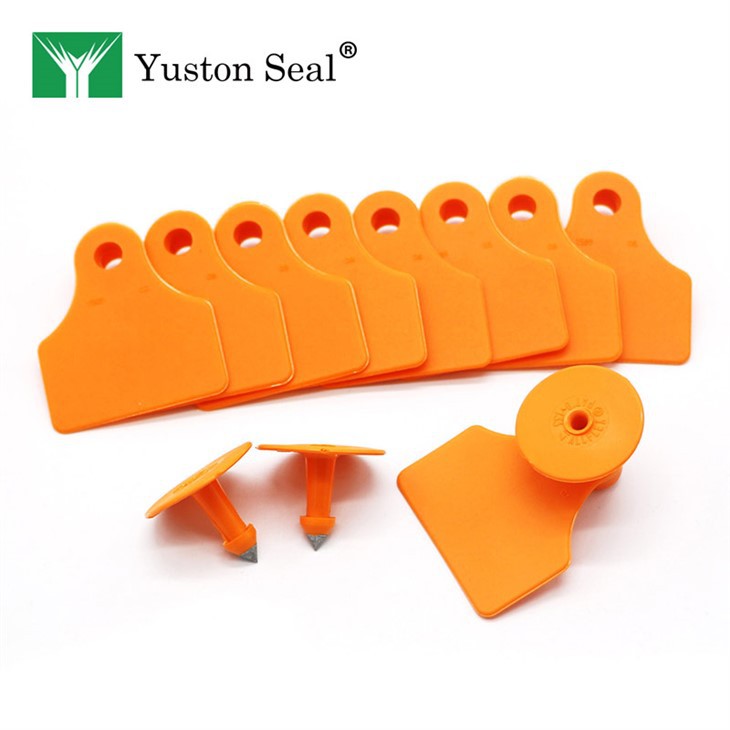
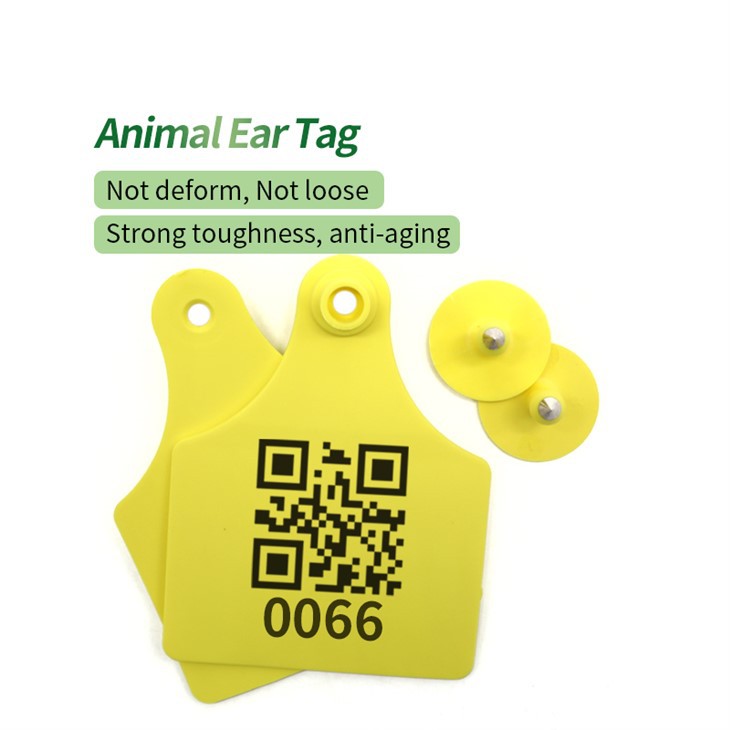
On the other hand, sheep ear tags are smaller and more lightweight. Since sheep are smaller and less likely to cause significant damage to their ear tags through rough behavior, the tags can be more delicate. They are usually made from softer plastics that are still durable but more flexible, allowing them to conform to the shape of the sheep's ear without causing discomfort. The pin on a sheep ear tag is also shorter and thinner compared to that of a cattle ear tag, as it only needs to penetrate the thinner ear tissue of the sheep.
Identification Information
The type and amount of identification information displayed on cattle and sheep ear tags can also vary. For cattle, due to the importance of traceability in the beef and dairy industries, ear tags often carry a wide range of information. This can include the animal's unique identification number, which is used for registration and tracking purposes. In many cases, the tag may also display the animal's birth date, breed, and the farm or ranch where it was born. Some advanced cattle ear tags even have RFID (Radio - Frequency Identification) technology embedded in them, which allows for quick and easy data collection when the animal passes through a reader. This technology is especially useful in large - scale cattle operations where efficient management and traceability are essential.
Sheep ear tags, while also used for identification, may carry less detailed information. In smaller sheep flocks, a simple number or code may be sufficient for identification within the flock. However, in larger commercial operations, similar to cattle, sheep ear tags may also include the animal's unique ID, birth information, and breed. RFID technology is also becoming more common in sheep ear tags, especially in regions where strict traceability regulations are in place.
Visibility and Readability
Visibility and readability are important factors for both cattle and sheep ear tags, but the requirements differ based on the animals' behavior and environment. Cattle are often kept in open pastures or large feedlots, and their ear tags need to be highly visible from a distance. The numbers and letters on cattle ear tags are usually large and bold, making them easy to read even when the animal is some distance away. The tags are also often brightly colored to enhance visibility against the cattle's coat.
Sheep, on the other hand, are typically kept in closer - knit flocks and may be managed in smaller enclosures. While visibility is still important, the need for long - distance readability is not as critical. Sheep ear tags can have smaller numbers and letters, and they may be less brightly colored. However, they still need to be clearly visible within the flock, especially when the shepherd is conducting regular checks or sorting the sheep.
Application Process
The process of applying ear tags to cattle and sheep is also different. Applying a cattle ear tag requires more force and precision due to the thickness of the cattle's ear tissue. A special applicator tool is used, which is designed to drive the tag's pin through the ear with enough force to ensure a secure attachment. The applicator is usually larger and more robust than the one used for sheep, and it may require two hands to operate. It's important to position the tag correctly on the cattle's ear to avoid causing pain or injury to the animal.
For sheep, the application process is generally easier and less invasive. A smaller, handheld applicator is used, which can be operated with one hand. The applicator is designed to gently insert the tag's pin through the sheep's thinner ear tissue. Since sheep are more docile than cattle, it's usually easier to handle them during the tagging process, but care still needs to be taken to ensure the tag is applied correctly.
Cost Considerations
Cost is an important factor for livestock producers when choosing ear tags. Cattle ear tags, due to their larger size, more robust construction, and often the inclusion of advanced technologies like RFID, tend to be more expensive than sheep ear tags. The cost of a single cattle ear tag can range from a few dollars to over ten dollars, depending on the features and quality.
Sheep ear tags, being smaller and simpler in design, are generally more affordable. A basic sheep ear tag can cost as little as a few cents, while tags with more advanced features like RFID may cost a couple of dollars each. For large - scale livestock operations, these cost differences can add up significantly, so producers need to carefully consider their budget and the specific requirements of their herd or flock when choosing ear tags.
Regulatory Requirements
Regulatory requirements for ear tags also vary between cattle and sheep. In many countries, there are strict regulations regarding the identification and traceability of cattle, especially for animals intended for the meat and dairy markets. These regulations often mandate the use of specific types of ear tags, such as those with RFID technology, and require accurate recording of the animal's identification information. Failure to comply with these regulations can result in significant fines and restrictions on the movement and sale of the animals.
Sheep also have identification and traceability regulations, but they may be less stringent in some regions. However, as the demand for food safety and traceability increases globally, more and more countries are implementing stricter regulations for sheep as well. Producers need to stay informed about the regulatory requirements in their area to ensure they are using the appropriate ear tags for their livestock.
Our Ear Tag Solutions
As a supplier of livestock ear tags, we understand the unique needs of cattle and sheep producers. We offer a wide range of Cow Number Tags and sheep ear tags to meet the diverse requirements of our customers. Our cattle ear tags are designed to be durable, highly visible, and compliant with all relevant regulations. They come in various sizes, colors, and with different features, including RFID technology, to ensure efficient management and traceability of your cattle herd.
For sheep producers, we have a selection of affordable and reliable ear tags. Our sheep ear tags are lightweight, comfortable for the animals, and easy to apply. Whether you need basic identification tags or tags with advanced features, we can provide you with the right solution for your flock.
If you're in the market for high - quality ear tags for your cattle or sheep, we invite you to get in touch with us. Our team of experts is ready to assist you in choosing the most suitable ear tags for your livestock management needs. Contact us today to discuss your requirements and start a procurement negotiation.
References
- American Veterinary Medical Association. (2023). Guidelines for Livestock Identification.
- Department of Agriculture, Food and the Marine. (2023). Livestock Identification Regulations.
- International Organization for Standardization. (2023). Standards for Animal Identification Tags.