

Hey there! I'm an ear tag supplier, and today I want to dig deep into the question: What is the accuracy of ear tag identification?
Let's start by understanding what ear tag identification is all about. Ear tags are small devices that are attached to the ears of animals, mainly livestock like cows, sheep, and goats. They're used for a bunch of reasons, such as tracking an animal's identity, health history, and movement. The idea is that each ear tag has a unique identifier, kind of like a human ID card, that helps farmers and ranchers keep tabs on their animals.
Now, when we talk about the accuracy of ear tag identification, there are a few key factors to consider.
1. Tag Design and Quality
The first thing that affects accuracy is the design and quality of the ear tag itself. A well - designed ear tag should be durable, resistant to environmental factors like moisture, sunlight, and physical damage. If a tag gets damaged or fades over time, it can become difficult to read the information on it. For example, if the numbers or letters on a Cow Number Tags start to wear off, it becomes a real headache for the farmer to identify the animal correctly.
At our Ear Tag supply business, we focus on using high - quality materials. We use strong plastics and inks that are fade - resistant. This ensures that the tags can withstand the harsh conditions on a farm, whether it's in a muddy pasture or under the hot sun. We also pay close attention to the design of the tags. They're made to be easy to read, with large, clear numbers and letters. And we offer different shapes and sizes to fit different types of animals, so the tag doesn't cause any discomfort to the animal, which could lead to it trying to remove the tag.
2. Application Method
How the ear tag is applied also plays a huge role in accuracy. If the tag isn't applied correctly, it can fall off or become misaligned, making it useless for identification. A proper application requires the right tools and technique. Farmers need to use a good quality ear tag applicator to ensure that the tag is securely attached to the animal's ear.
We provide detailed instructions on how to apply our Livestock Ear Tags. We also offer training to our customers if they need it. We believe that by educating farmers on the correct application method, we can improve the accuracy of ear tag identification. For example, we tell them to make sure the tag is centered on the ear and that the prongs are fully inserted. If the tag is too loose, it can swing around and get damaged, and if it's too tight, it can cause pain to the animal and might even lead to the ear tissue being damaged.
3. Reading Technology
In today's digital age, there are different ways to read ear tags. The traditional way is to read the numbers or letters on the tag manually. But this can be time - consuming, especially on large farms with hundreds or thousands of animals. That's where technology comes in. There are now electronic ear tags that can be read using scanners. These scanners can quickly and accurately read the information on the tag and transfer it to a database.
However, the accuracy of these scanners depends on a few things. The scanner needs to be in good working condition, and the electronic components in the tag need to be functioning properly. Also, the distance between the scanner and the tag matters. If the scanner is too far away or if there's an obstacle between them, the reading might not be accurate.
We're constantly looking into new technologies to improve the reading accuracy of our ear tags. We're working on developing tags that are more compatible with the latest scanners and that can be read from a greater distance. This will make it easier for farmers to manage their livestock and ensure that the identification process is as accurate as possible.
4. Human Error
Let's not forget about human error. Even with the best - designed tags, proper application, and advanced reading technology, mistakes can still happen. For example, a farmer might misread a tag number or enter the wrong information into the database. To reduce human error, we recommend double - checking the information when reading the tags. We also suggest using software that can cross - reference the tag information with other data, like the animal's birth date or vaccination history.

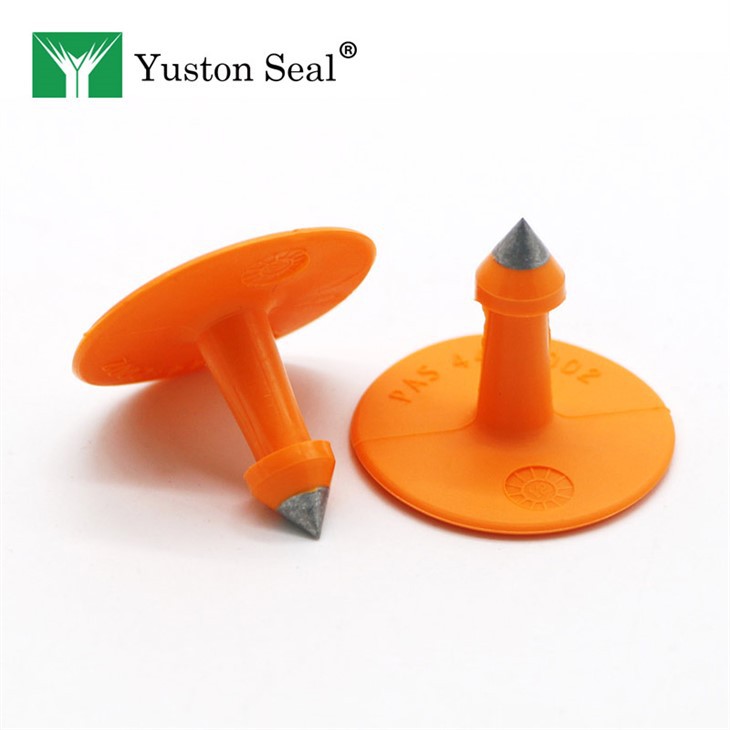
Another way to minimize human error is through training. We offer training programs for farmers on how to use our ear tags and the associated technology correctly. By making sure that the people using the ear tags are well - trained, we can significantly improve the accuracy of ear tag identification.
The Importance of Accuracy
You might be wondering why accuracy is such a big deal when it comes to ear tag identification. Well, it has a huge impact on the management of livestock. For example, accurate identification is crucial for disease control. If a sick animal can't be identified correctly, it could spread the disease to other animals on the farm. This could lead to significant losses for the farmer.
Accurate identification is also important for breeding programs. Farmers need to know the genetic background of each animal to make informed breeding decisions. If the ear tag information is incorrect, it could lead to poor breeding choices, which could affect the quality of the livestock in the long run.
Conclusion
So, in conclusion, the accuracy of ear tag identification depends on several factors, including tag design and quality, application method, reading technology, and human error. As an ear tag supplier, we're committed to providing high - quality products and services to ensure that our customers can accurately identify their livestock.
If you're a farmer or rancher looking for reliable ear tags, we'd love to talk to you. We have a wide range of Livestock Ear Tags to meet your needs. Whether you're looking for simple Cow Number Tags or high - tech electronic tags, we've got you covered. Contact us to discuss your requirements and let's work together to improve the management of your livestock.
References
- "Livestock Identification and Traceability: A Global Perspective" - Various authors, Published by an agricultural research institute.
- "Advances in Animal Ear Tag Technology" - Journal of Agricultural Technology, Volume XX, Issue XX.