

In the world of shipping and logistics, bolt seals play a crucial role in ensuring the security of cargo. As a bolt seal supplier, I've witnessed firsthand the importance of these seemingly simple devices. One aspect that often sparks curiosity is the marking on a bolt seal. What exactly is it for? In this blog post, I'll delve into the reasons behind these markings and their significance in the industry.
Identification and Traceability
The primary purpose of markings on a bolt seal is identification. Each seal is assigned a unique serial number or code, which is clearly marked on its surface. This number serves as a fingerprint for the seal, allowing it to be easily identified and tracked throughout the shipping process. When a container is sealed with a bolt seal, the seal's number is recorded on the shipping documents, such as the bill of lading or container manifest. This information is then used to verify the integrity of the seal and the container at various points along the supply chain.
For example, when a container arrives at its destination, the customs officials or receiving personnel can check the seal number against the shipping documents to ensure that the container has not been tampered with. If the seal number matches, it provides evidence that the container has remained secure during transit. On the other hand, if the seal is broken or the number does not match, it could indicate that the container has been opened or tampered with, which may require further investigation.
In addition to serial numbers, bolt seals may also be marked with other information, such as the manufacturer's logo, the type of seal, and the date of manufacture. These markings can provide additional information about the seal's origin and specifications, which can be useful for quality control and regulatory compliance purposes.
Anti - Tampering and Security
Markings on bolt seals also serve as a deterrent against tampering. A visible and unique marking makes it more difficult for unauthorized individuals to replace or alter the seal without being detected. If someone tries to remove or replace a bolt seal, the new seal will have a different marking, which will be immediately noticeable to anyone checking the container.
Moreover, some bolt seals are designed with special markings that are difficult to replicate. For instance, some seals use laser - engraved markings that are highly resistant to wear and tear, as well as attempts to remove or alter them. These advanced marking techniques add an extra layer of security to the seal, making it more reliable for protecting valuable cargo.
Regulatory Compliance
In many countries, there are strict regulations regarding the use of bolt seals in the shipping industry. These regulations often require that seals be marked with specific information to ensure traceability and security. For example, the International Maritime Organization (IMO) has established guidelines for the use of high - security seals in container shipping. These guidelines recommend that seals be marked with a unique serial number, the manufacturer's name or logo, and the type of seal.
By complying with these regulations, bolt seal suppliers and shipping companies can avoid potential fines and penalties. Additionally, using marked bolt seals that meet regulatory requirements can enhance the reputation of the shipping company and build trust with customers and regulatory authorities.
Branding and Marketing
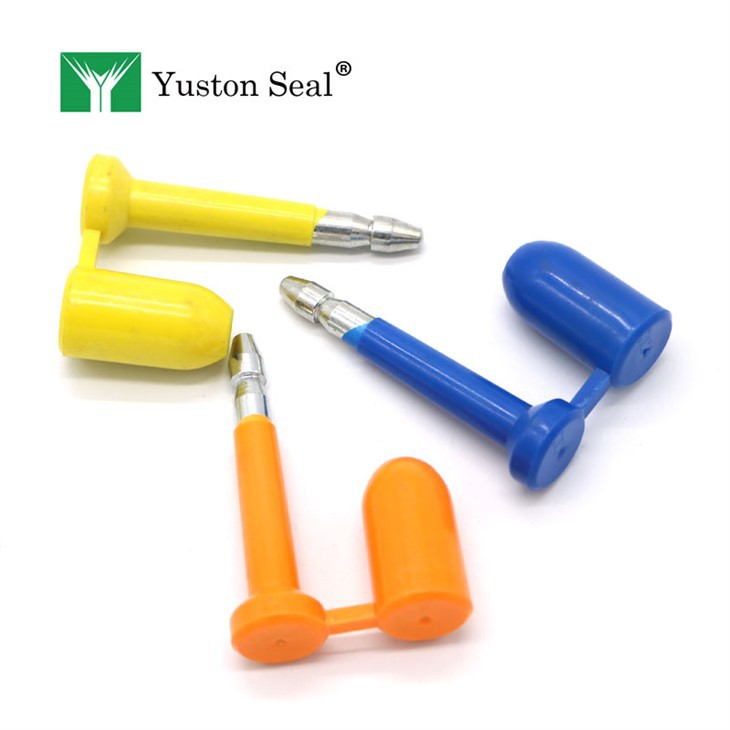
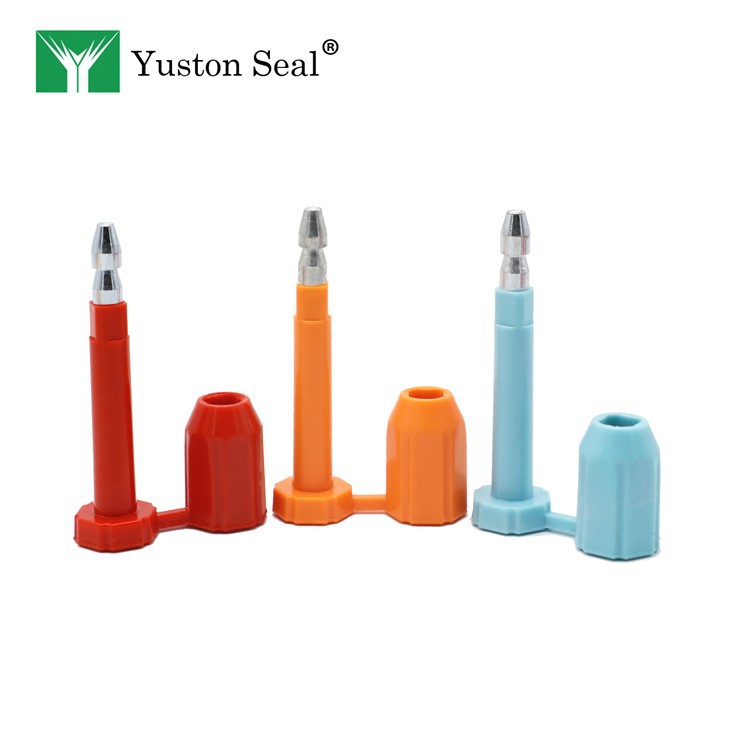
For bolt seal suppliers, markings on seals can also serve as a form of branding and marketing. A well - designed logo or brand name on the seal can increase brand visibility and recognition. When customers see the supplier's logo on the seals used to secure their cargo, it creates a positive impression and reinforces the supplier's commitment to quality and security.
Furthermore, custom markings can be used to differentiate a supplier's products from those of competitors. For example, a supplier may offer seals with unique colors, patterns, or markings that are exclusive to their brand. This can help the supplier stand out in the market and attract more customers.
Different Types of Markings
There are several methods used to mark bolt seals, each with its own advantages and disadvantages.
- Stamping: This is one of the most common methods of marking bolt seals. A metal die is used to stamp the serial number, logo, or other information onto the surface of the seal. Stamping is a relatively simple and cost - effective method, but the markings may fade over time due to wear and tear.
- Laser Engraving: Laser engraving is a more advanced marking method that uses a laser beam to etch the markings onto the seal. Laser - engraved markings are highly precise, permanent, and resistant to wear and corrosion. However, this method is more expensive than stamping and requires specialized equipment.
- Printing: Printing is another option for marking bolt seals. It can be used to apply colorful logos, barcodes, or other graphics onto the seal. Printing is a versatile method that can produce high - quality markings, but the durability of the markings may depend on the type of ink and printing process used.
Conclusion
In conclusion, the markings on a bolt seal serve multiple important purposes. They provide identification and traceability, deter tampering, ensure regulatory compliance, and offer branding and marketing opportunities. As a bolt seal supplier, I understand the significance of these markings and strive to provide high - quality seals with clear and durable markings.
If you are in the market for reliable and secure bolt seals, we offer a wide range of products to meet your needs. Our Cargo Containers Bolt Seal is designed specifically for use in cargo containers, providing maximum security and peace of mind. We also have Container Bolt Seal Lock options that offer enhanced locking mechanisms. And for those looking for a general Bolt Seal For Cargo Containers, our products are built to last.
If you are interested in learning more about our bolt seals or would like to discuss your specific requirements, please feel free to contact us. We are always ready to assist you in finding the best sealing solutions for your cargo.
References
- International Maritime Organization (IMO). Guidelines for the Use of High - Security Seals in Container Shipping.
- Industry reports on shipping and logistics security.