

Lead seal and seal have certain differences in definition, function and application, and there are certain connections. The following is a detailed analysis of the differences between the two, and explore the connection between them.
distinction
Definition and material
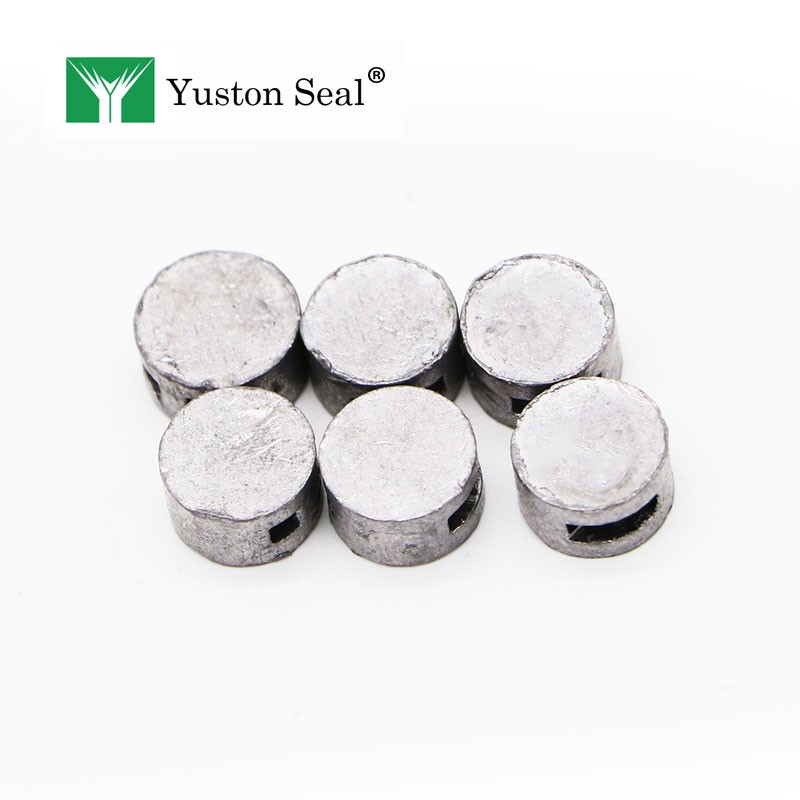
Lead seal: usually refers to a device similar to a lock, mainly used for the blockade of containers, trucks, ships and other means of transport, as well as the import and export of oil pipelines, storage tanks, substations and other equipment. Although there is "lead" in the name, modern lead seals do not necessarily contain lead materials, and may be made of ABS, low carbon steel, PP and other materials. The internal sealing part may contain steel wire, plastic rope, etc., and the shell is mostly plastic or metal.
Seal: More broadly refers to the various strips pasted or used to close doors or objects, such as paper strips, metal strips, plastic strips, etc. The seal may be marked with the date of closure and stamped to indicate closure, sealing or confiscation, to prevent unauthorized opening and use.
Function and use
Lead seal: The main function is to prevent items from being illegally tampered with, stolen or damaged during transportation or storage, to ensure the safety and integrity of the goods. Once it is locked, it cannot be opened unless it is damaged by force, and the damaged seal cannot be reused. Each seal is uniquely numbered to facilitate tracing and investigation.
Seal: The function is relatively broad, in addition to being used to indicate the closed state, it may also be used in a variety of other occasions, such as as an anti-counterfeiting mark, security mark, etc. The material, shape and use of the seal are varied, and can be selected and used according to actual needs.
Usage scenario
Lead seal: mainly used in logistics and transportation, customs supervision, petrochemical, electric power and other industries, where safety and integrity requirements are high.
Seals: The use of scenarios is more extensive, not only limited to the field of transportation and storage, but also may appear in a variety of occasions that need to indicate a closed or sealed state.
connection
The purpose is the same: whether it is lead seal or seal, its ultimate purpose is to ensure the safety and integrity of the item, to prevent illegal tampering, theft or damage.
Complementary: In some cases, lead seals and seals can be used complementary to each other. For example, in the process of container transportation, lead seals and seals can be used at the same time to strengthen the sealing effect and improve safety.
Common development: With the progress of science and technology and economic development, the technology of lead seals and seals is also constantly improving and improving. For example, the emergence of new products such as electronic lead seals not only improves the intelligent level of lead seals, but also provides new ideas and directions for the development of seal technology.
To sum up, there are certain differences between lead seals and seals in definition, function and application, but there are also close links and complementarities between them. In practical applications, appropriate tools can be selected according to specific needs to ensure the safety and integrity of the item.