

Padlock seals are essential tools in various industries, used to secure containers, cabinets, and other items to prevent unauthorized access. As a padlock seal supplier, I've witnessed firsthand the widespread use of these products. However, in recent years, there has been a growing concern about the environmental impact of padlock seals. In this blog post, I will explore the environmental implications of padlock seals and discuss some potential solutions.
Material Composition and Its Impact
Padlock seals come in a variety of materials, each with its own environmental footprint. The most common materials include plastic, metal, and a combination of both.
Plastic Padlock Seals
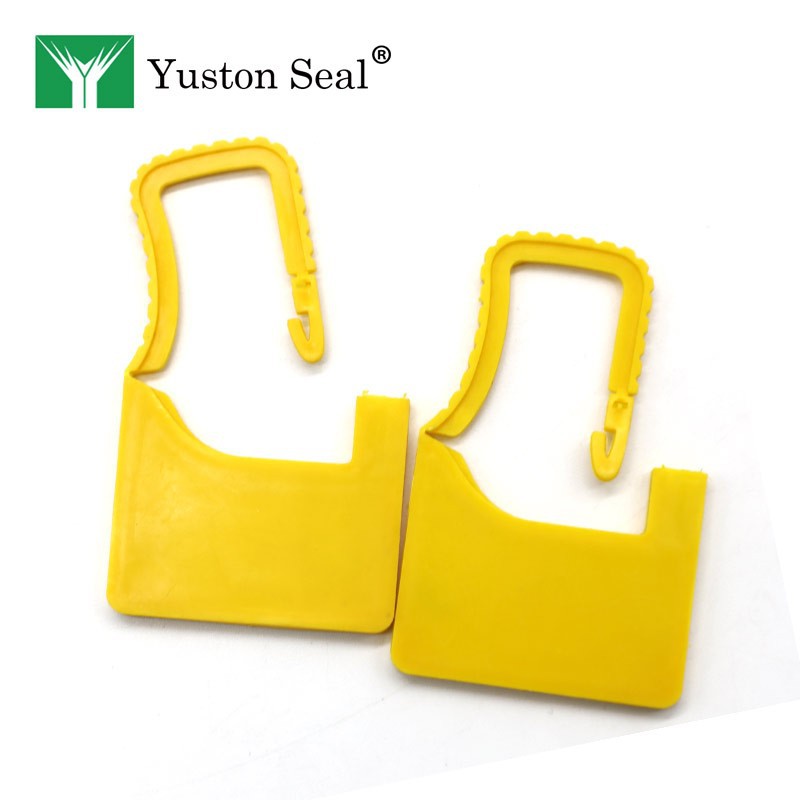
Plastic is a popular choice for padlock seals due to its low cost, lightweight, and ease of manufacturing. Plastic Padlock Seal is widely used in many industries. However, plastic is derived from fossil fuels, which are non - renewable resources. The extraction and processing of fossil fuels contribute to greenhouse gas emissions, air pollution, and habitat destruction.
Moreover, plastic is not biodegradable in most cases. Once discarded, plastic padlock seals can persist in the environment for hundreds of years. They can end up in landfills, where they take up space and may release harmful chemicals as they break down over time. In addition, plastic waste often finds its way into water bodies, posing a significant threat to marine life. Animals may mistake plastic pieces for food, leading to ingestion and potential death.
Metal Padlock Seals
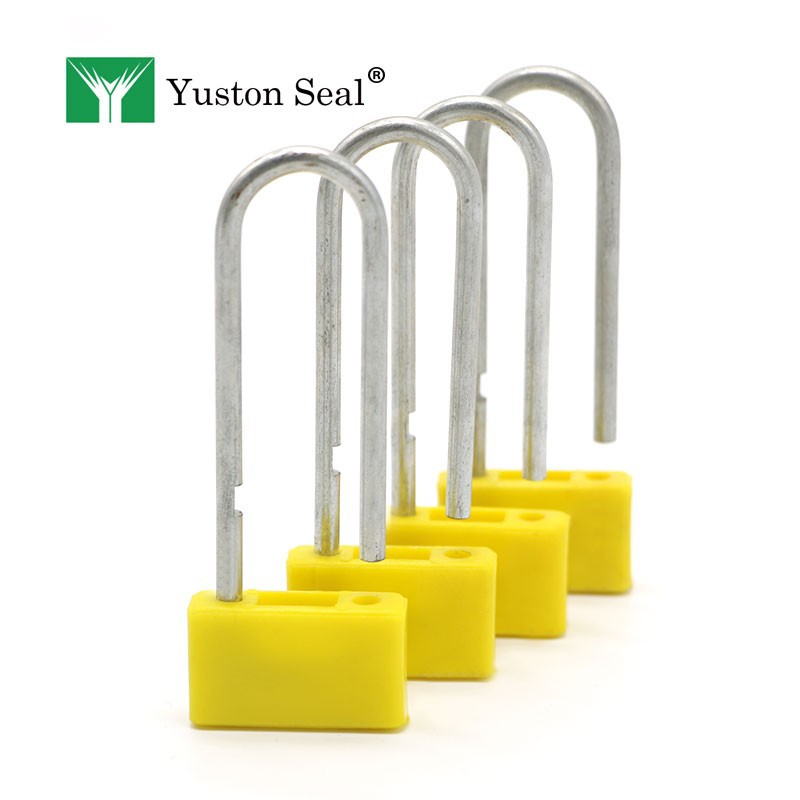
Metal padlock seals, such as those made of steel or aluminum, are known for their durability and strength. While metal is a recyclable material, the production of metal involves high energy consumption. Mining operations to extract metals from the earth can cause significant environmental damage, including soil erosion, deforestation, and water pollution.
The refining and manufacturing processes of metal padlock seals also generate large amounts of greenhouse gas emissions. For example, the production of steel requires a substantial amount of coal, which releases carbon dioxide when burned. However, if properly recycled, metal padlock seals can have a much lower environmental impact in the long run compared to non - recyclable materials.
Disposable Padlock Seals
Disposable Padlock Seal are designed for one - time use. These seals are often made of inexpensive materials, which are typically not recycled. The throw - away nature of disposable padlock seals contributes to the growing problem of waste generation. As more and more industries rely on these seals for security purposes, the amount of waste produced is increasing at an alarming rate.
Manufacturing Processes and Their Environmental Consequences
The manufacturing of padlock seals involves several steps, each with its own environmental implications.
Energy Consumption
Both plastic and metal manufacturing processes require a significant amount of energy. In plastic production, energy is needed for the extraction of raw materials, polymerization, and molding. Metal manufacturing involves processes such as smelting, forging, and machining, all of which consume large amounts of electricity and fuel. High energy consumption leads to increased greenhouse gas emissions, contributing to climate change.
Chemical Usage
In the production of padlock seals, various chemicals are used. For plastic seals, additives such as plasticizers, stabilizers, and colorants are added to improve the properties of the plastic. These chemicals can be toxic and may leach into the environment during the production process or when the seals are discarded.
In metal manufacturing, chemicals are used for surface treatment, such as plating and coating, to prevent corrosion. These chemicals can contain heavy metals and other hazardous substances, which can contaminate water sources and soil if not properly managed.
End - of - Life Management
The way padlock seals are disposed of at the end of their life cycle has a significant impact on the environment.
Landfill Disposal
As mentioned earlier, a large number of padlock seals end up in landfills. Landfills are a major source of methane emissions, a potent greenhouse gas. When organic matter in landfills decomposes in an anaerobic environment, methane is produced. Although padlock seals are not organic, they take up valuable space in landfills, which could otherwise be used for more sustainable waste management solutions.
Recycling
Recycling is an effective way to reduce the environmental impact of padlock seals. Metal seals can be melted down and reused to make new products, reducing the need for virgin metal extraction. However, the recycling rate of padlock seals is relatively low. This is partly due to the lack of awareness among users about the recyclability of these products and the complexity of separating different types of materials.
Potential Solutions
As a padlock seal supplier, I am committed to finding ways to reduce the environmental impact of our products. Here are some potential solutions:
Use of Sustainable Materials
We can explore the use of more sustainable materials for padlock seals. For example, biodegradable plastics made from renewable resources such as corn starch or cellulose can be used as an alternative to traditional plastics. These biodegradable plastics break down naturally in the environment, reducing the amount of plastic waste.
In addition, we can increase the use of recycled metals in the production of metal padlock seals. By using recycled materials, we can reduce the energy consumption and environmental damage associated with metal extraction.
Design for Recycling
We can design padlock seals in a way that makes them easier to recycle. This includes using fewer different types of materials in a single seal and avoiding the use of non - recyclable components. By simplifying the design, we can improve the recycling rate of our products.
Promote Reuse
Instead of using disposable padlock seals, we can encourage customers to use reusable seals. Reusable seals can be opened and closed multiple times, reducing the amount of waste generated. We can also offer repair and maintenance services for our reusable seals to extend their lifespan.
Conclusion
The environmental impact of padlock seals is a complex issue that involves material selection, manufacturing processes, and end - of - life management. As a padlock seal supplier, we have a responsibility to minimize the environmental footprint of our products. By using sustainable materials, improving manufacturing processes, and promoting proper end - of - life management, we can make a significant contribution to environmental protection.
If you are interested in learning more about our sustainable padlock seal solutions or would like to discuss potential procurement opportunities, please feel free to reach out. We are always ready to work with you to find the most suitable and environmentally friendly padlock seal products for your needs.
References
- European Union. (2020). Circular Economy Action Plan.
- United Nations Environment Programme. (2019). Global Plastic Outlook: Challenges and Solutions.
- World Steel Association. (2021). Steel Statistics Yearbook.