

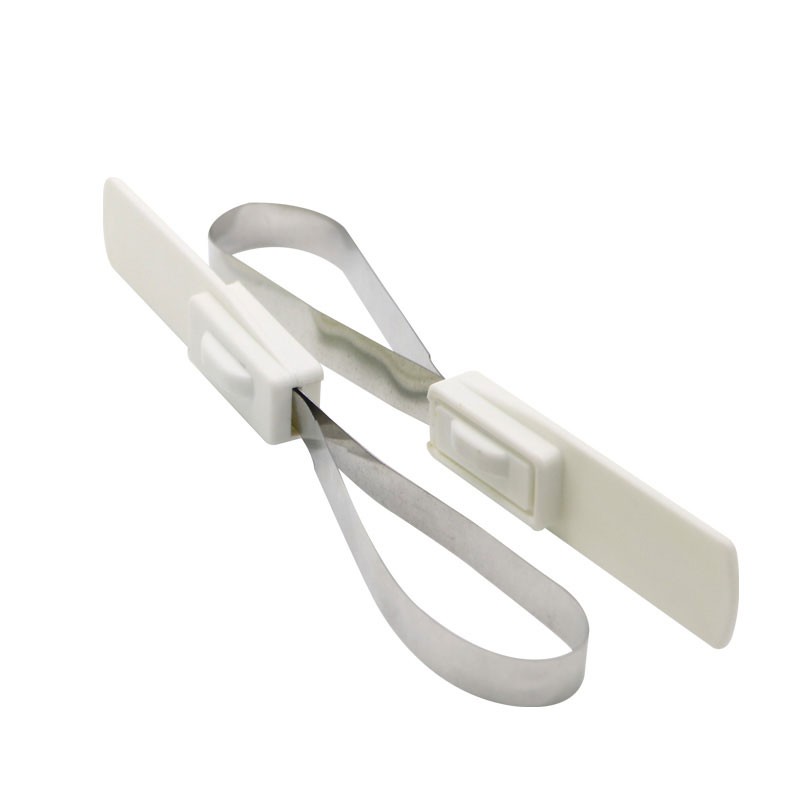
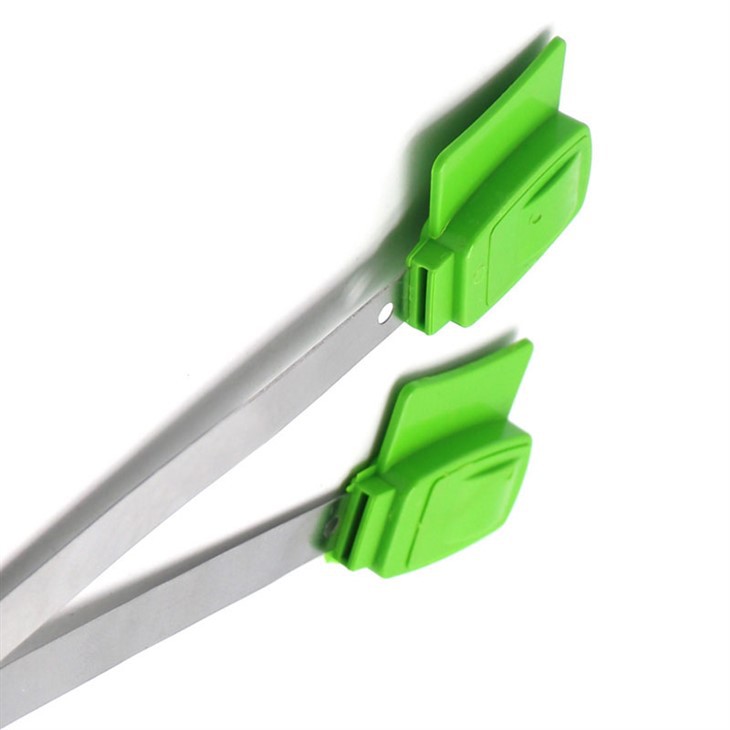
Saltwater is a common yet potent environmental factor that can significantly impact various materials, including the metal trailer seals we supply. As a trusted provider of high - quality Metal Trailer Seals, it's crucial for us to understand and share the implications of saltwater exposure on these essential components.
Chemical Composition of Saltwater and Its Corrosive Nature
Saltwater is a complex mixture primarily composed of water and dissolved salts, with sodium chloride (NaCl) being the most abundant. When metal trailer seals come into contact with saltwater, a series of chemical reactions occur. The dissolved salts in the water act as electrolytes, facilitating the flow of electrical current between different parts of the metal surface.
The process of corrosion, often referred to as rusting in the case of iron - based metals, begins when the metal atoms lose electrons. In the presence of saltwater, this electron loss is accelerated. For example, when iron (Fe) in a metal seal reacts with oxygen (O₂) and water (H₂O) in the saltwater environment, iron hydroxide (Fe(OH)₂) is initially formed. This compound then further reacts with oxygen to form iron oxide (Fe₂O₃), which is the familiar reddish - brown rust.
Physical and Structural Impact on Metal Trailer Seals
Deterioration of the Seal Material
The corrosion caused by saltwater gradually eats away at the metal of the trailer seals. This leads to a reduction in the thickness of the seal material over time. As the metal thins, the structural integrity of the seal is compromised. A weakened seal may not be able to withstand the normal stresses and pressures it is designed to endure during the transportation of goods in trailers. For instance, if a seal is used to secure a trailer door, a corroded seal may break under the force of opening and closing the door, rendering it ineffective.
Loss of Sealing Function
One of the primary functions of metal trailer seals is to provide a tight and secure closure. Saltwater corrosion can cause the surface of the seal to become rough and uneven. This roughness prevents the seal from making a proper contact with the mating surfaces on the trailer. As a result, there may be gaps or leaks around the seal, which can allow moisture, dust, and even pests to enter the trailer. This can be particularly problematic for trailers carrying sensitive or perishable goods, as it can lead to damage or spoilage of the cargo.
Impact on Locking Mechanisms
Many metal trailer seals are equipped with locking mechanisms to ensure security. Saltwater can have a detrimental effect on these mechanisms. Corrosion can cause the moving parts of the lock, such as pins and tumblers, to seize up or become difficult to operate. This not only makes it challenging to install or remove the seal but also raises concerns about the security of the trailer. If a lock cannot be properly engaged or disengaged, it may be easier for unauthorized individuals to access the trailer.
Long - Term Consequences for Trailer Operations
Increased Maintenance Costs
Trailers with corroded metal seals require more frequent maintenance. This includes regular inspections to detect early signs of corrosion, as well as replacement of damaged seals. The cost of purchasing new seals and the labor involved in replacing them can add up over time. For fleet operators, these increased maintenance costs can have a significant impact on the overall operating budget.
Downtime
When a metal trailer seal fails due to saltwater corrosion, it often results in downtime for the trailer. The trailer may need to be taken out of service while the seal is replaced. This downtime can disrupt delivery schedules, leading to delays in the supply chain. In industries where timely delivery is crucial, such as the food and pharmaceutical industries, these delays can have serious financial and reputational consequences.
Preventive Measures and Solutions
Coating and Plating
One effective way to protect metal trailer seals from saltwater corrosion is through coating and plating. A variety of coatings can be applied to the surface of the seals, such as epoxy coatings or zinc plating. These coatings act as a barrier between the metal and the saltwater, preventing direct contact and thus reducing the risk of corrosion. For example, zinc plating works by providing a sacrificial layer. Zinc is more reactive than many metals used in trailer seals, so it corrodes first, protecting the underlying metal.
Regular Cleaning and Inspection
Regular cleaning of metal trailer seals can help remove salt and other contaminants from the surface. This can be done using a mild detergent and water. After cleaning, the seals should be thoroughly dried to prevent the formation of a moist environment that promotes corrosion. In addition, regular inspections should be carried out to detect any signs of corrosion early. If corrosion is detected, appropriate measures can be taken, such as applying a corrosion inhibitor or replacing the seal.
Use of Corrosion - Resistant Materials
Another option is to use corrosion - resistant metals in the manufacturing of trailer seals. Stainless steel, for example, contains chromium, which forms a thin, protective oxide layer on the surface of the metal. This layer prevents further corrosion, making stainless steel a suitable choice for applications in saltwater - prone environments. While stainless steel seals may be more expensive initially, they can offer long - term cost savings due to their reduced maintenance requirements.
Our Role as a Metal Trailer Seal Supplier
As a supplier of Metal Trailer Seals, we are committed to providing our customers with high - quality products that can withstand the challenges posed by saltwater. We offer a range of seals made from corrosion - resistant materials, including stainless steel and coated metals. Our seals are designed and tested to meet the highest standards of quality and performance.
We also provide technical support and advice to our customers on how to properly maintain and protect their metal trailer seals. Whether it's recommending the right type of coating or providing guidelines on cleaning and inspection, we strive to ensure that our customers get the most out of our products.
If you are in the market for reliable metal trailer seals, we invite you to explore our product range. We offer a variety of seals, including Metal Container Seals, Metal Truck Seals, and Metal Seals For Containers. Our team is ready to assist you in finding the perfect seal for your specific needs. Contact us today to start a procurement discussion and ensure the security and integrity of your trailer operations.
References
- Uhlig, H. H., & Revie, R. W. (1985). Corrosion and Corrosion Control: An Introduction to Corrosion Science and Engineering (3rd ed.). Wiley - Interscience.
- Fontana, M. G. (1986). Corrosion Engineering (3rd ed.). McGraw - Hill.
- ASTM International. (2019). ASTM Standards on Corrosion Testing and Evaluation. ASTM International.