

Hey there! I'm an ear tag supplier, and I often get asked about the maximum data capacity of an electronic ear tag. It's a super interesting topic, so I thought I'd share some insights with you.
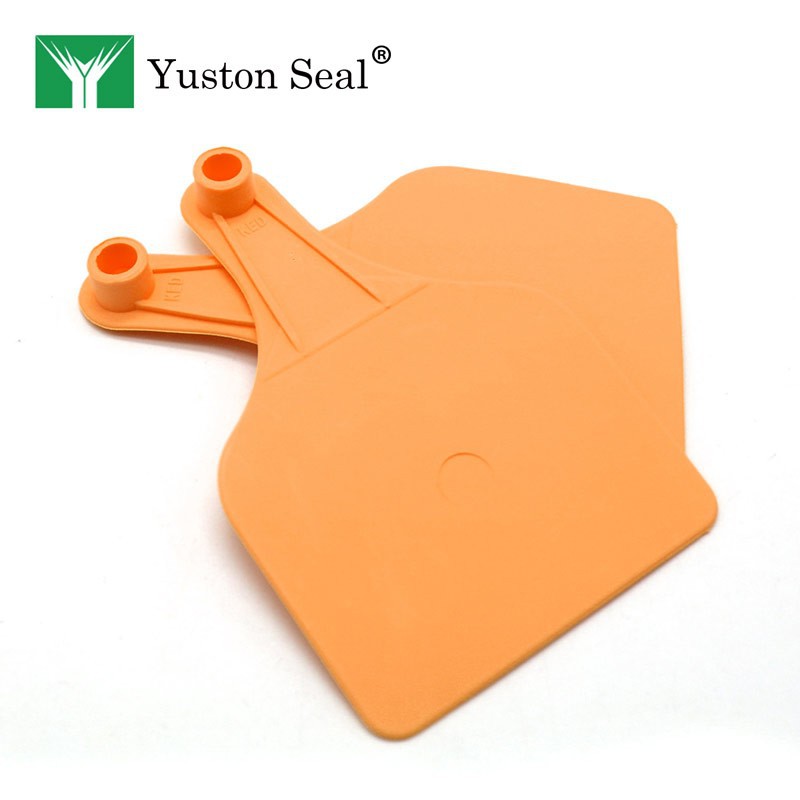
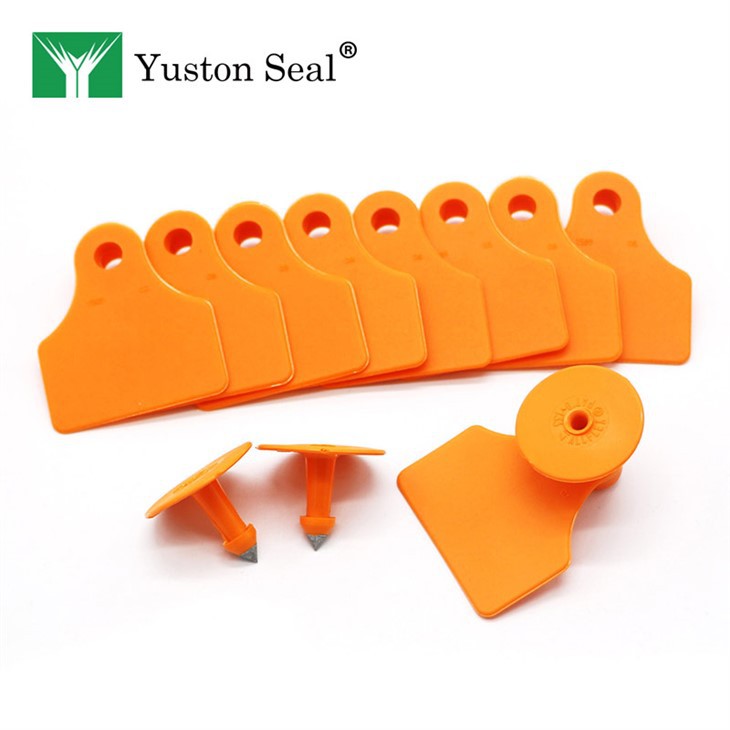
First off, let's understand what an electronic ear tag is. An electronic ear tag is a device that's attached to an animal's ear, usually for identification and data - tracking purposes. These tags are used in various animals, from cattle to other farm animals. You can check out more about Ear Tag in Cattle and Ear Tags For Farm Animals on our website.
The data capacity of an electronic ear tag depends on several factors. One of the main factors is the type of technology used in the tag. There are two common types: RFID (Radio - Frequency Identification) and NFC (Near - Field Communication).
RFID ear tags are widely used in the livestock industry. They can store different amounts of data depending on their memory size. Basic RFID ear tags usually have a relatively small data capacity. They can typically hold around 96 bits of data. This might seem like a tiny amount, but it's enough to store a unique identification number for the animal. This number can be used to link the animal to a database where more detailed information is stored.
On the other hand, more advanced RFID ear tags can have larger memory sizes. Some of these tags can store up to 2 kilobytes (KB) of data. With this amount of space, you can store not only the animal's ID but also additional information such as its birth date, vaccination history, and even its genetic information.
NFC ear tags, which are a bit newer in the market, also have their own data - storage capabilities. NFC tags can generally store between 144 bytes and 8 kilobytes of data. The lower - end models with 144 bytes are suitable for simple identification, while the ones with 8 KB can hold a vast amount of data, similar to the high - end RFID tags.
Another factor that affects the data capacity is the design and purpose of the ear tag. If the tag is designed for a large - scale livestock operation where a lot of data needs to be collected and managed, it's likely to have a larger data capacity. For example, in a dairy farm, where the milk production, health status, and breeding history of each cow need to be monitored, an ear tag with a larger data capacity is essential.
The manufacturing technology also plays a role. As technology advances, the size of the memory chips used in ear tags is getting smaller, while their capacity is increasing. This means that we can expect to see ear tags with even larger data capacities in the future.
Now, let's talk about the practical implications of different data capacities. If you have a small - scale farm with just a few animals, a basic ear tag with a small data capacity might be sufficient. You can use it to simply identify each animal. But if you're running a large - scale commercial farm, you'll need ear tags with a larger data capacity. This will allow you to manage your animals more efficiently, track their health and productivity, and make better - informed decisions.
We, as an ear tag supplier, understand the diverse needs of our customers. That's why we offer a wide range of ear tags with different data capacities. Whether you're a small - time farmer or a large - scale agricultural business, we've got the right ear tag for you. You can learn more about our Ear Tag products on our website.
When it comes to choosing the right ear tag based on data capacity, you need to consider your specific requirements. Think about what kind of data you want to store, how often you'll need to access it, and whether you'll need to update the data regularly.
If you're in the process of setting up a new livestock management system or looking to upgrade your existing one, it's important to do your research. You can consult with industry experts, read reviews, and compare different ear tag models.
In conclusion, the maximum data capacity of an electronic ear tag can vary widely, from as little as 96 bits in basic RFID tags to up to 8 kilobytes in some advanced NFC tags. The choice of ear tag depends on your specific needs and the scale of your operation.
If you're interested in purchasing our ear tags or have any questions about their data capacity or other features, don't hesitate to get in touch. We're more than happy to help you find the perfect solution for your animal - management needs. Whether you're just starting out or looking to improve your current system, we're here to support you every step of the way.
References
- General knowledge about RFID and NFC technology in the livestock industry
- Industry reports on the development of ear tag technology