

As a supplier of Livestock Ear Tags, I've had numerous discussions with farmers, ranchers, and livestock breeders about the different needs for cattle and sheep ear tags. In this blog, I'll explore the key differences between ear tags for these two types of livestock.
Physical Characteristics
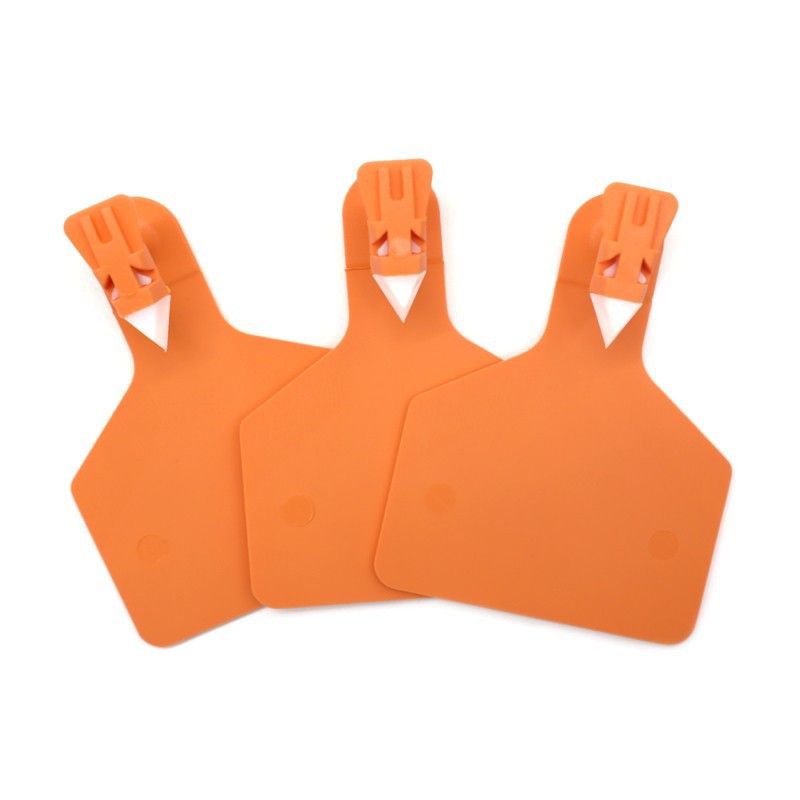
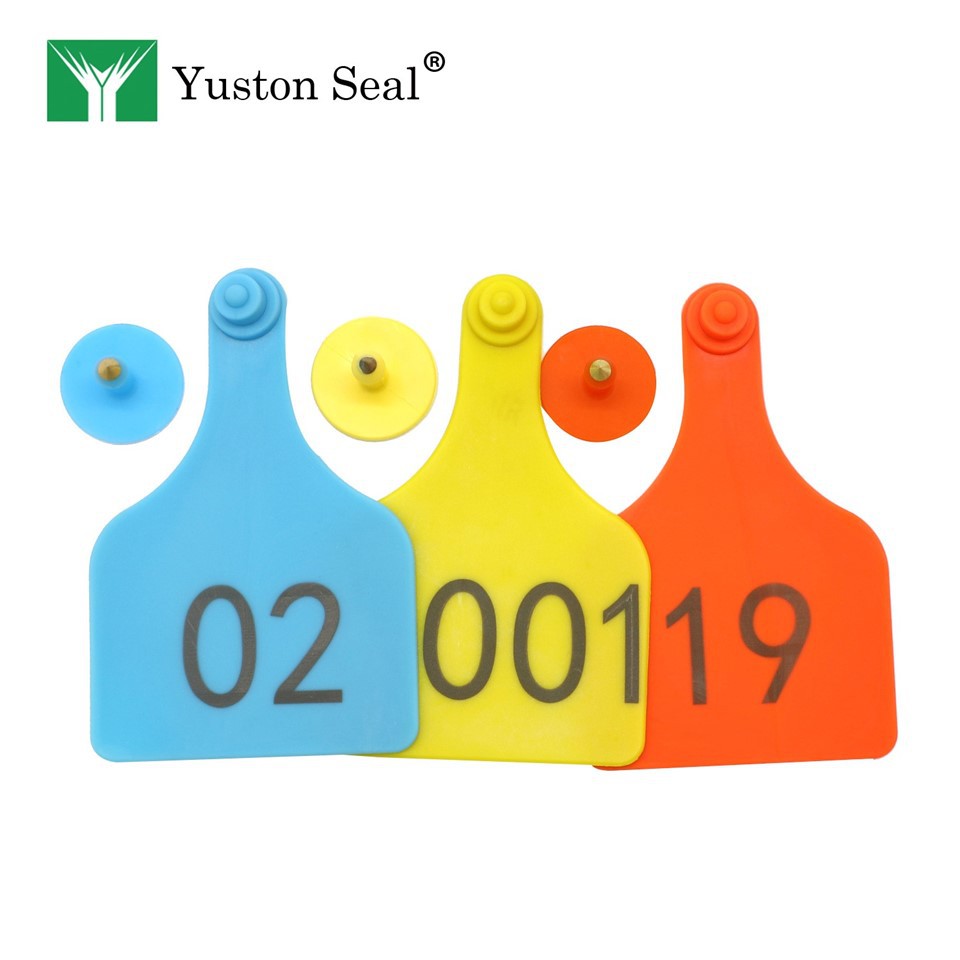
One of the most obvious differences between cattle and sheep ear tags lies in their size. Cattle are much larger animals than sheep, and their ears are correspondingly bigger and thicker. As a result, cattle ear tags need to be larger and more robust to be securely attached. These tags often have a larger surface area, which allows for more information to be printed on them. For example, our Ear Tag in Cattle are designed with a sturdy base and a long, sharp applicator pin to penetrate the thick ear tissue of cattle.
On the other hand, sheep ear tags are smaller and more delicate. The ears of sheep are thinner and more sensitive, so the tags need to be lightweight and less intrusive. Smaller tags are also less likely to cause discomfort or injury to the sheep. Our sheep ear tags are crafted with a gentle design, ensuring that they can be easily attached without causing excessive stress to the animal.
Information Requirements
The information recorded on cattle and sheep ear tags can also vary. Cattle are often managed on a larger scale, and each animal may have a more detailed history. Cattle ear tags may include the animal's identification number, breed, birth date, vaccination history, and even genetic information. This comprehensive data helps farmers keep track of the health and productivity of their herd. For instance, Cow Number Ear Tags are commonly used to assign a unique identifier to each cow, which can be linked to a database containing all relevant information about the animal.
Sheep, while also requiring identification, may not need as much detailed information on their ear tags. In many cases, a simple identification number is sufficient for basic management purposes. However, in some sheep breeding programs or for high - value animals, additional information such as parentage or wool quality may be included.
Durability and Longevity
Cattle are more active and have a tendency to rub against fences, trees, and other objects. As a result, cattle ear tags need to be highly durable to withstand these rough conditions. They are often made from strong materials such as high - quality plastics or metals that can resist abrasion, sunlight, and weather elements. Our cattle ear tags are tested to ensure that they can remain intact and legible for several years, even in harsh outdoor environments.
Sheep, although they also move around, are generally less likely to cause significant damage to their ear tags. However, sheep ear tags still need to be durable enough to last for the animal's lifetime. Since sheep are often kept in flocks, it's important that the tags don't fall off easily, as this could lead to confusion in identification. Our sheep ear tags are made from materials that are both lightweight and durable, providing long - term identification for the animals.
Application Method
The method of applying ear tags to cattle and sheep also differs. Applying a cattle ear tag usually requires a more powerful applicator due to the thickness of the ear tissue. A professional - grade cattle ear tag applicator is designed to drive the tag through the ear with enough force to ensure a secure attachment. This process often requires some skill and strength, and it's usually carried out by experienced farmers or veterinarians.
Sheep ear tags, on the other hand, can be applied with a smaller, less powerful applicator. The process is generally quicker and easier, and it can be done by farmers with less experience. Some sheep ear tag applicators are even designed to be used one - handed, which is convenient when handling multiple animals.
Regulatory Requirements
Regulatory requirements for cattle and sheep ear tags can vary from region to region. In many countries, there are strict regulations regarding the identification of cattle for disease control, traceability, and food safety purposes. These regulations often specify the type of information that must be included on the ear tag, as well as the format and size of the tag. For example, in some areas, cattle ear tags must be compliant with national or international standards to ensure that the animals can be traced throughout the supply chain.
Sheep also have their own set of regulatory requirements, although they may not be as comprehensive as those for cattle. In some regions, sheep ear tags are required for flock management and disease control, but the specific requirements may be less stringent. It's important for farmers to be aware of the local regulations and to choose ear tags that meet these requirements.
Cost Considerations
The cost of cattle and sheep ear tags can also be different. Due to their larger size, more robust construction, and the need for more detailed information, cattle ear tags are generally more expensive than sheep ear tags. However, the cost is often justified by the long - term benefits of accurate identification and management of the cattle herd.
Sheep ear tags, being smaller and less complex, are more affordable. This makes them a cost - effective solution for sheep farmers, especially those with large flocks.
Technological Advancements
In recent years, there have been significant technological advancements in livestock ear tags for both cattle and sheep. Electronic ear tags, also known as RFID (Radio - Frequency Identification) tags, are becoming increasingly popular. These tags can store and transmit data wirelessly, allowing for more efficient and accurate management of the animals.
For cattle, RFID tags can be used to monitor the animal's location, health status, and feeding behavior. This real - time data can help farmers make informed decisions about herd management. Our Cow Number Tags are available in both traditional and RFID versions, providing farmers with options to suit their specific needs.
Sheep RFID tags are also being adopted in some sheep farming operations. They can be used to track the movement of individual sheep within a flock, which is useful for grazing management and disease control.
In conclusion, there are several significant differences between ear tags for cattle and sheep, including physical characteristics, information requirements, durability, application method, regulatory requirements, cost, and technological advancements. As a Livestock Ear Tags supplier, we understand the unique needs of both cattle and sheep farmers. We offer a wide range of high - quality ear tags that are designed to meet these specific requirements. Whether you're a cattle rancher or a sheep breeder, we have the right ear tag solution for you.
If you're interested in purchasing livestock ear tags or have any questions about our products, please feel free to contact us. We're always happy to assist you with your livestock identification needs and look forward to discussing your requirements for a successful procurement.
References
- "Livestock Identification and Traceability: A Global Perspective" - Various industry reports and research papers on livestock management and identification.
- Local agricultural regulatory bodies' guidelines on cattle and sheep identification.