

As a supplier of Livestock Ear Tags, I've witnessed firsthand the pivotal role these small devices play in modern livestock management. In this blog, I'll share the best practices for using livestock ear tags, which not only ensure the well - being of your animals but also streamline your farm operations.
1. Selecting the Right Ear Tags
The first step in using livestock ear tags effectively is choosing the appropriate tag for your animals. Different species have different requirements, and you need to consider factors such as size, material, and readability.
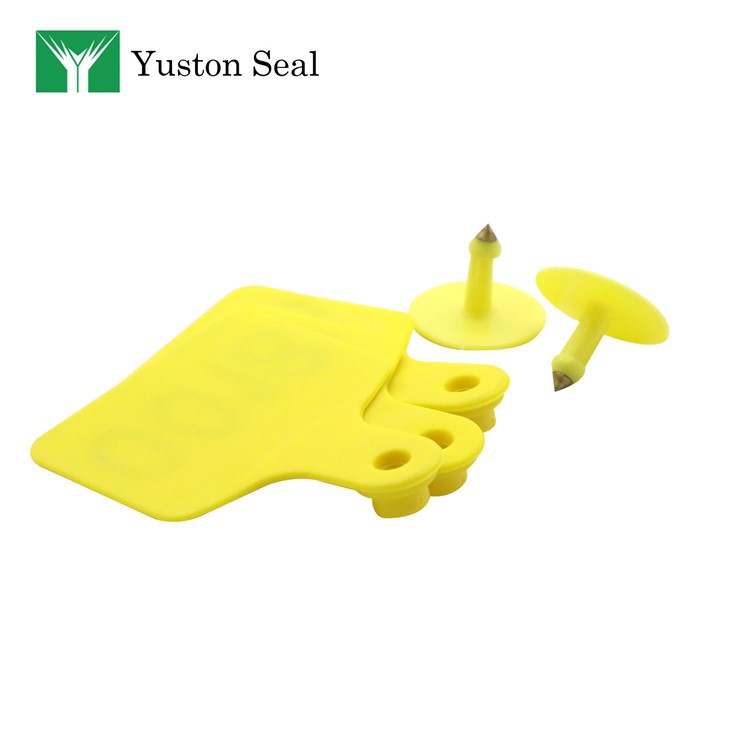
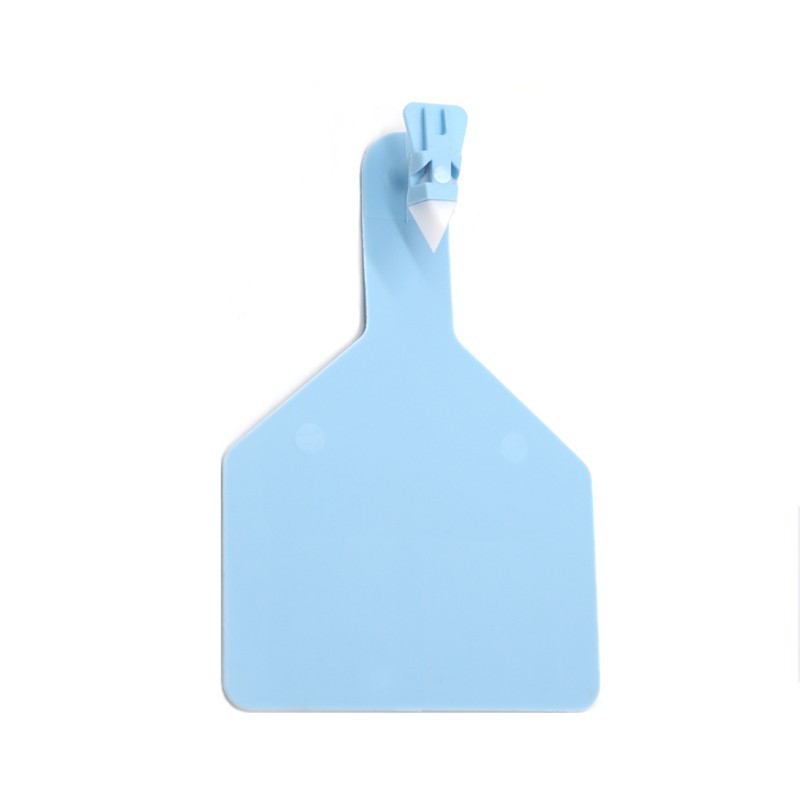
- Species - specific Tags: For sheep, Sheep Ear Tags are designed to be lightweight and flexible, as sheep have relatively thin ears. These tags usually come in smaller sizes to avoid causing discomfort to the animals. On the other hand, cows require more robust tags. Ear Tag For Cows are larger and made of more durable materials to withstand the cows' more active behavior and the harsher environment they may be in.
- Material: Ear tags can be made from various materials, including plastic, metal, and electronic components. Plastic tags are cost - effective, lightweight, and come in a wide range of colors, making them easy to customize. Metal tags are more durable and can be used in harsh environments. Electronic ear tags, which can store a large amount of data, are ideal for farms that require advanced monitoring and management systems.
- Readability: Ensure that the tags you choose have clear and legible markings. This is crucial for easy identification of animals, especially in large herds. Consider using tags with large letters, numbers, or barcodes that can be easily scanned.
2. Proper Tagging Procedure
Once you've selected the right ear tags, it's essential to follow the correct tagging procedure to minimize stress on the animals and ensure the tags are securely attached.
- Prepare the Equipment: Before tagging, make sure your tagging equipment is clean and in good working condition. This includes the tag applicator, which should be sharp and properly calibrated. Disinfect the applicator to prevent the spread of diseases.
- Restrain the Animal: Proper restraint is necessary to ensure the safety of both the animal and the person applying the tag. Use appropriate restraint methods, such as a livestock chute or headgate, to keep the animal still during the tagging process.
- Choose the Ear: In general, it's recommended to tag the left ear of the animal. This is a common practice that helps with consistency in identification across the industry. However, some farms may have their own preferences based on their management systems.
- Apply the Tag: Insert the tag through the ear at the appropriate location, usually in the middle - third of the ear, between the cartilage ridges. Make sure the tag is fully inserted and the locking mechanism is secure. Avoid inserting the tag too close to the edge of the ear, as this can cause the tag to tear out more easily.
3. Record - keeping
Effective record - keeping is an integral part of using livestock ear tags. The information stored on the tags can be used for a variety of purposes, including animal health management, breeding programs, and traceability.
- Initial Tagging Information: When you tag an animal, record the tag number, the date of tagging, the animal's species, breed, sex, and birth date. This information forms the foundation of your animal's record.
- Health and Treatment Records: Update the records whenever the animal receives medical treatment, vaccination, or has a health issue. This helps you keep track of the animal's health history and make informed decisions about its care.
- Breeding Records: If you're involved in a breeding program, record details such as the animal's mating history, pregnancy status, and offspring information. This can help you improve the genetic quality of your herd over time.
- Traceability: In the event of a disease outbreak or other issues, the information on the ear tags can be used to trace the movement of animals. Keep accurate records of when and where animals are moved, sold, or slaughtered.
4. Monitoring and Maintenance
Regular monitoring and maintenance of the ear tags are necessary to ensure their continued effectiveness.
- Visual Inspections: Conduct regular visual inspections of the animals' ears to check for any signs of tag damage, infection, or irritation. If you notice a tag that is loose, damaged, or causing problems, replace it immediately.
- Tag Readability: Over time, the markings on the tags may fade or become damaged. Check the readability of the tags periodically and replace them if necessary to ensure easy identification.
- Data Management: If you're using electronic ear tags, make sure the data is backed up regularly and that the tagging system is updated to the latest software version. This helps prevent data loss and ensures the accuracy of your records.
5. Training and Education
Proper training and education are essential for anyone involved in using livestock ear tags. This includes farmers, farm workers, and veterinarians.
- Tagging Training: Provide training to your staff on the proper tagging procedure, including equipment use, animal restraint, and record - keeping. This ensures that the tagging process is carried out correctly and consistently.
- Data Management Training: If you're using electronic ear tags, train your staff on how to use the data management system. This includes how to input, retrieve, and analyze the data stored on the tags.
- Industry Best Practices: Stay updated on the latest industry best practices for using livestock ear tags. Attend seminars, workshops, and conferences to learn about new technologies and techniques in livestock management.
Conclusion
Using livestock ear tags effectively requires careful consideration of tag selection, proper tagging procedures, accurate record - keeping, regular monitoring, and adequate training. By following these best practices, you can improve the efficiency of your livestock management, enhance animal welfare, and ensure compliance with industry regulations.
If you're in the market for high - quality Ear Tag that meet these best practices, I encourage you to contact us. We offer a wide range of livestock ear tags that are designed to meet the diverse needs of modern farms. Whether you're looking for simple plastic tags or advanced electronic tags, we have the solutions you need. Let's start a conversation about how our ear tags can benefit your livestock management operations.
References
- National Animal Identification and Tracing (NAIT) guidelines.
- Livestock Management Handbook, various editions.
- Journal of Animal Science research papers on livestock identification and management.